Assistance Anchors: How Timely Help Strengthens Bonds in Online Transaction Networks
Lars Schulz · May 17, 2026
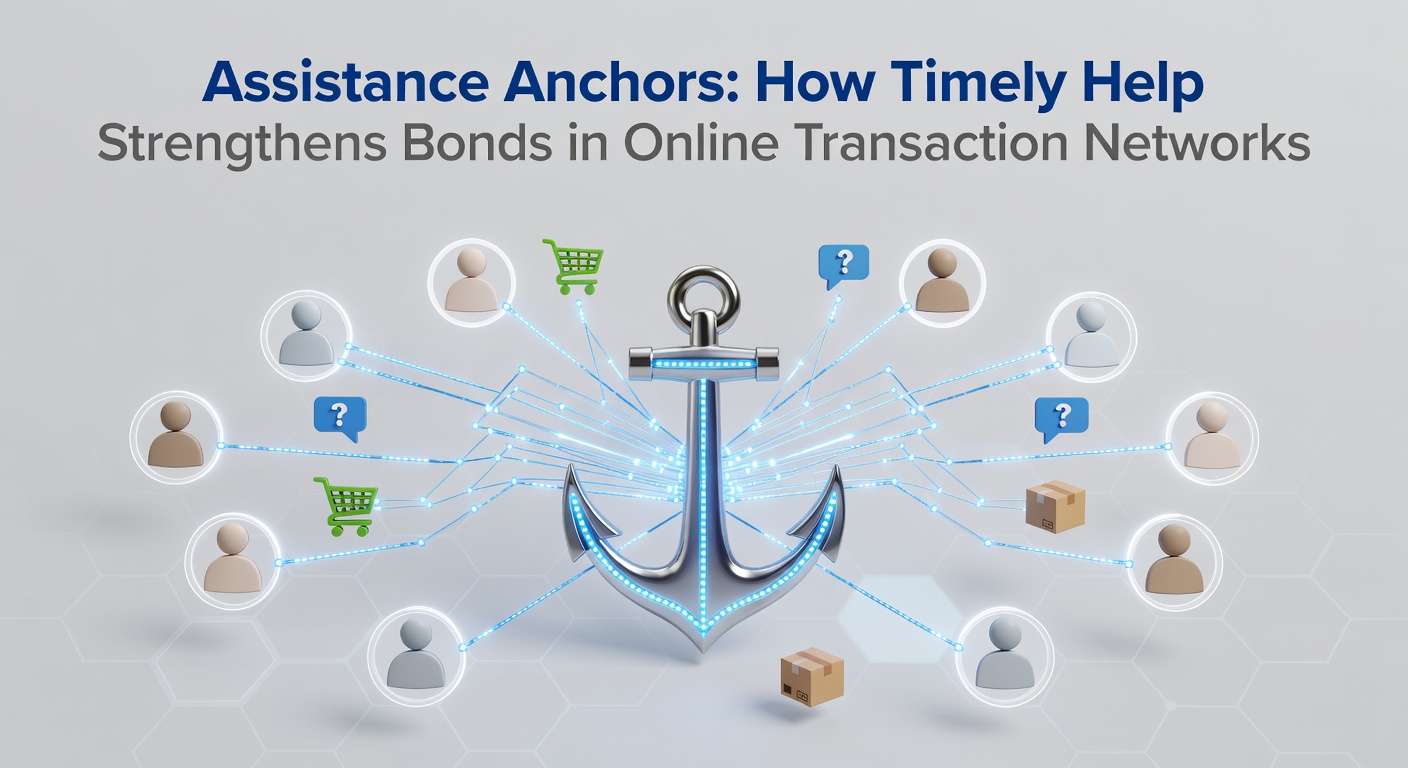
Assistance Anchors: How Timely Help Strengthens Bonds in Online Transaction Networks
Online transaction networks rely on seamless connections between consumers, merchants, and payment processors, yet disruptions occur regularly in the form of failed authorizations, billing questions, and account verification delays. Timely assistance serves as an anchor that stabilizes these relationships by addressing issues before they escalate into lost trust or abandoned carts.
Core Functions of Assistance in Payment Ecosystems
Payment platforms incorporate live chat, email ticketing systems, and automated callback features to resolve queries within minutes rather than hours. Data from industry reports indicate that merchants experience lower chargeback ratios when support teams intervene during the initial stages of a dispute. Those who've studied transaction flows note that assistance protocols often integrate directly with gateway dashboards, allowing agents to view real-time authorization logs and adjust entries without requiring customers to restart the checkout sequence.
Research indicates that platforms maintaining average response times under ninety seconds record higher repeat purchase rates across multiple quarters. Observers note that this pattern holds across both domestic and cross-border networks, where currency conversion hiccups or regional compliance checks frequently trigger additional queries from users.
Mechanisms That Deliver Rapid Resolution
Automated triage tools route common issues such as duplicate charges or declined cards to predefined workflows, freeing human agents for complex cases involving multi-factor authentication failures. In May 2026 several processors updated their systems to include predictive alerts that flag potential friction points based on historical user behavior patterns. These updates reduced average handling time by measurable margins according to internal metrics shared at industry conferences.
Integration between support software and core ledger systems enables agents to issue provisional credits or trigger re-authorization attempts while the customer remains on the line. Figures reveal that such in-call interventions cut escalation rates to senior teams by nearly half in networks handling high volumes of subscription renewals.
Impact on Network Participants
Consumers gain confidence when their concerns receive immediate attention, leading to stronger loyalty toward both the merchant and the underlying payment provider. Merchants benefit from preserved revenue and reduced administrative overhead associated with post-transaction follow-ups. Processors observe improved approval ratios over time because satisfied users return with cleaner transaction histories that trigger fewer manual reviews.

Studies from academic institutions highlight that networks emphasizing rapid assistance protocols maintain higher participant retention even during periods of economic volatility. One analysis covering North American and European processors found that merchants partnered with responsive support infrastructures reported steadier month-over-month volume growth compared with those relying on slower channels.
Regulatory and Compliance Considerations
Regulatory bodies across regions require documented response standards for consumer complaints within payment networks. The Federal Reserve outlines expectations around timely communication during error resolution processes. Similarly, oversight frameworks in other jurisdictions emphasize measurable benchmarks that encourage platforms to invest in staffing models capable of handling peak inquiry periods without degradation in service levels.
Compliance teams track these metrics as part of broader risk assessments, recognizing that delayed assistance can compound into larger operational and reputational concerns. Data shows that networks aligning assistance workflows with regulatory timelines experience fewer formal complaints filed through external channels.
Future Developments in Assistance Infrastructure
Emerging tools incorporate natural language processing to interpret customer intent from initial messages, routing queries to specialized queues faster than traditional menu-based systems. Observers note continued testing of voice-enabled interfaces that allow users to describe issues without navigating multiple screens during mobile checkout sessions. These advancements build on existing chat and callback foundations rather than replacing them outright.
Industry organizations continue to publish benchmarks that help networks calibrate their assistance targets against peer performance. Such shared data encourages incremental improvements without mandating uniform approaches across different market segments.
Conclusion
Timely assistance functions as a stabilizing force within online transaction networks by resolving friction points before they erode participant confidence. Evidence from regulatory reports, academic studies, and operational metrics demonstrates measurable correlations between response speed and sustained engagement across merchants, consumers, and processors. As platforms refine their support architectures, the emphasis remains on integrating assistance channels directly into transaction flows to maintain continuity and reduce downstream complications.