Charting Cost Variations in Subscription Based Merchant Solutions Across Different Business Scales
Lars Schulz · May 29, 2026
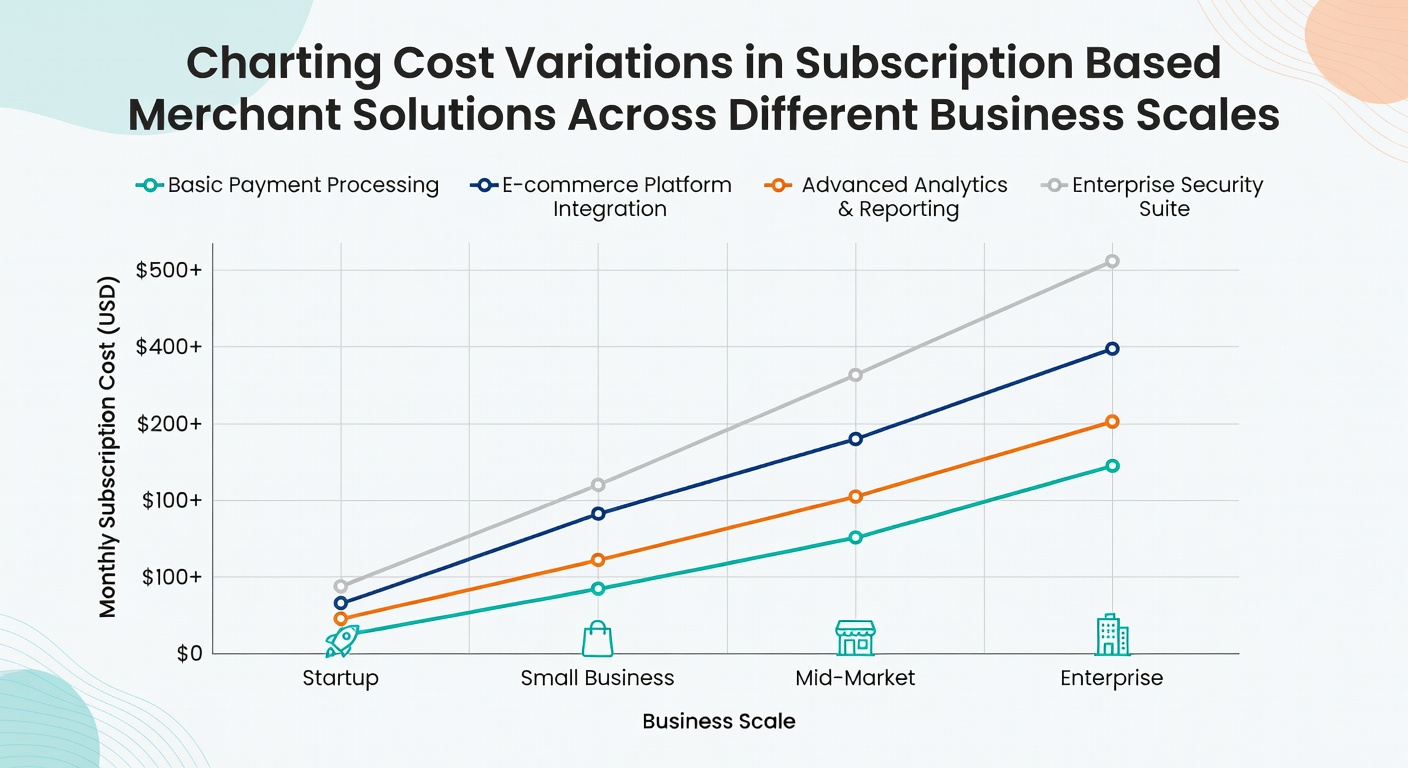
Charting Cost Variations in Subscription Based Merchant Solutions Across Different Business Scales
Subscription based merchant solutions handle recurring billing for everything from software services to physical goods deliveries, and their costs shift noticeably depending on the size of the operation using them. Small businesses often face flat per transaction fees plus monthly platform charges while larger entities negotiate volume based discounts that alter the overall expense structure. Data compiled through industry surveys shows these differences emerge clearly when comparing transaction volumes, feature requirements, and contract terms across categories.
Small Business Pricing Structures
Businesses processing under 500 recurring transactions each month typically encounter base rates that combine a percentage fee of 2.9 percent with an additional 30 cent fixed charge per successful payment, according to reports from multiple payment processors. These operators also pay platform subscription fees ranging from 29 dollars to 79 dollars monthly for core tools such as customer portals and basic reporting. Fixed pricing dominates this segment because providers cover setup and compliance costs across many accounts rather than tailoring each agreement individually.
Additional line items appear when small operators add features like failed payment recovery or basic tax calculation modules, each contributing another 10 dollars to 25 dollars per month. Research from the US Small Business Administration indicates that these incremental charges can increase total monthly outlays by 35 percent once a merchant moves beyond the most basic plan tier.
Mid Sized Operations and Tier Adjustments
Companies handling between 500 and 5000 recurring payments monthly qualify for reduced percentage rates that often settle near 2.2 percent to 2.5 percent once they exceed certain volume thresholds. Platform fees rise to accommodate expanded dashboards, multiple user seats, and advanced analytics yet the per transaction savings offset much of that increase. Mid sized entities frequently select interchange plus models rather than blended pricing because the transparency allows clearer forecasting when subscription volumes fluctuate seasonally.
One mid market retailer that migrated from a flat rate provider to an interchange plus arrangement in early 2025 recorded a 12 percent drop in overall processing costs within six months while transaction counts remained steady. Such transitions require integration work yet deliver measurable savings once monthly volumes stabilize above 2000 payments.
Enterprise Level Negotiations
Large organizations processing more than 5000 recurring charges each month obtain custom contracts that replace published rate cards with negotiated terms. These agreements commonly feature percentage fees below 1.8 percent together with waived platform subscriptions and dedicated account management. Enterprise solutions also incorporate custom API endpoints, white label customer interfaces, and priority settlement schedules that smaller plans do not include.
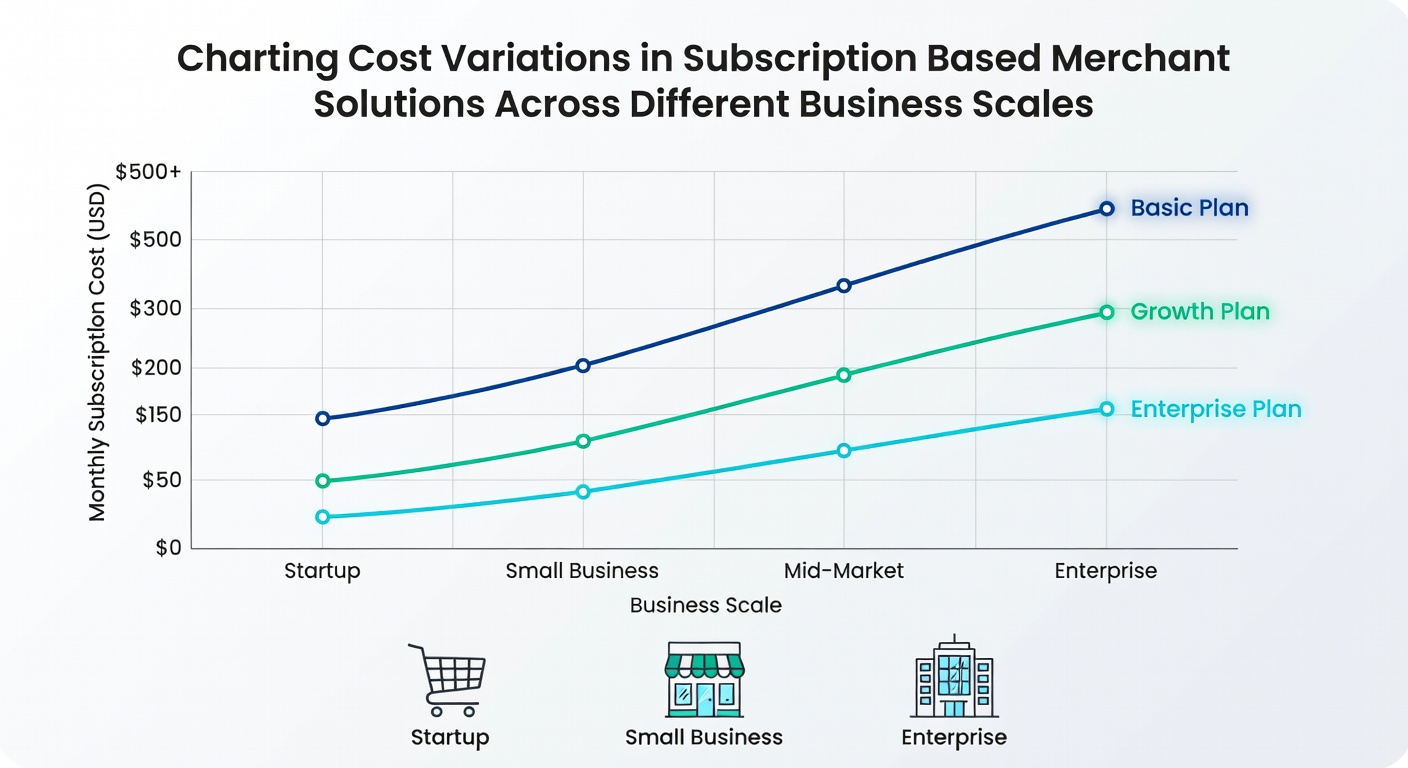
Figures released by the European Central Bank in its 2025 payments report reveal that enterprise merchants in the EU achieved average effective rates 0.7 percentage points lower than mid sized counterparts during the preceding twelve months. Contract durations typically extend two to three years with volume commitments that lock in the discounted structure and limit mid term rate adjustments.
Key Factors Driving Cost Differences
Volume remains the primary driver yet several secondary elements influence final pricing. Merchants with lower chargeback ratios often receive further reductions because providers allocate fewer resources to dispute management. Geographic distribution of customers also matters since cross border transactions incur higher interchange fees that subscription platforms pass along unless the merchant negotiates specialized routing.
Industry sector plays a role as well. Software as a service companies generally secure more favorable terms than physical goods sellers because their customer bases exhibit lower default rates. Data compiled by Statistics Canada in 2025 showed subscription merchants in digital services paying 18 percent less on average than those selling tangible products when controlling for transaction volume.
Developments Observed Through May 2026
By May 2026 several providers introduced tiered pricing that incorporates usage based add ons for artificial intelligence driven dunning and predictive churn tools. These modules charge separately rather than bundling into base plans, which allows smaller operators to test advanced features without committing to higher fixed fees. Mid sized and enterprise accounts continue to absorb these tools into existing contracts through volume negotiations that maintain overall cost predictability.
Regulatory changes in multiple jurisdictions have also affected fee transparency. Updated disclosure requirements now mandate clearer breakdowns of interchange versus processor margins, enabling merchants to compare offers across providers with greater accuracy. Observers note that this shift has prompted some small businesses to revisit their existing agreements during renewal periods.
Conclusion
Cost variations in subscription based merchant solutions reflect clear patterns tied to scale, volume commitments, and feature selections. Small operators contend with higher effective rates offset by predictable monthly outlays while larger entities leverage negotiation power to secure lower percentages and customized services. Tracking these structures remains essential for businesses evaluating long term billing infrastructure as market conditions continue to evolve.