Deciphering Links Between Verification Delays and Conversion Metrics in E-Commerce Checkout Processes for Boutique Retailers
Lars Schulz · Jun 23, 2026
Deciphering Links Between Verification Delays and Conversion Metrics in E-Commerce Checkout Processes for Boutique Retailers
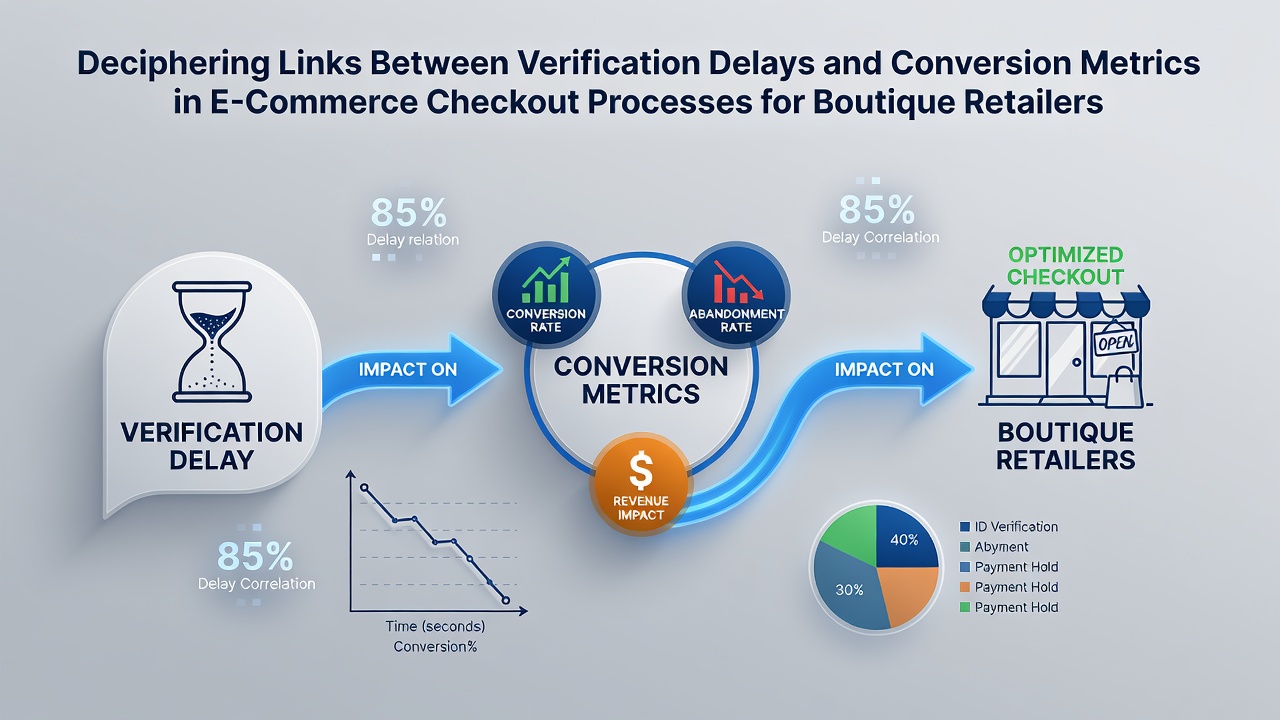
Verification steps in e-commerce checkout flows create measurable friction points that directly influence conversion rates, particularly for boutique retailers operating in niche markets. These retailers often process smaller order volumes yet face the same security requirements as larger platforms, which means any added seconds in authentication can shift buyer behavior toward abandonment. Research from payment networks indicates that each additional second of delay in address verification or 3D Secure prompts correlates with incremental drops in completed transactions.
Core Verification Mechanisms in Checkout Flows
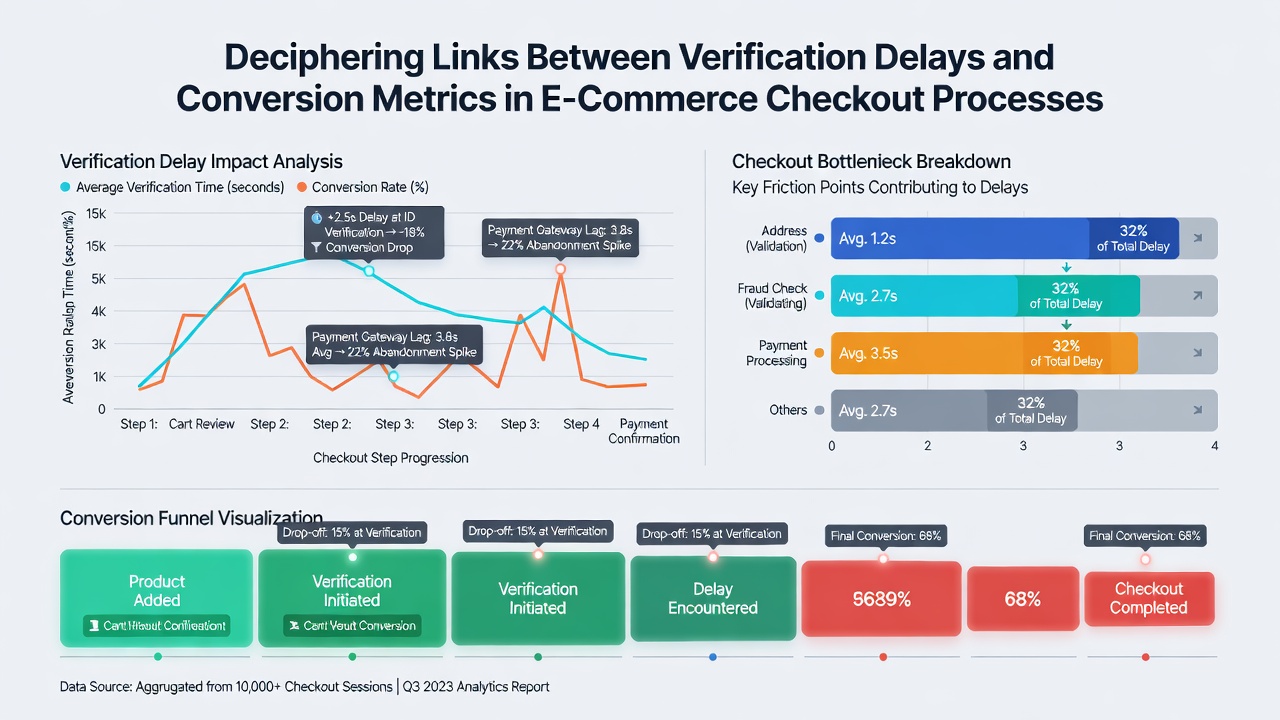
Address verification systems, card security codes, and device fingerprinting form the standard layers applied during checkout, and these checks occur sequentially in many gateway configurations. Boutique retailers frequently integrate third-party tools for fraud scoring, which adds processing time before the final authorization request reaches the card network. When these layers operate in parallel rather than series, overall completion times shorten, according to configuration data shared across merchant service providers.
Three-domain secure protocols require redirection to issuer domains for many international cards, and this handoff introduces latency that varies by bank response speeds. Observers note that boutique stores selling specialty goods see higher sensitivity to these pauses because their customers often conduct detailed product research before reaching payment, leaving less tolerance for extended waits.
Impact Patterns on Conversion Metrics
Cart abandonment rates rise when verification exceeds typical thresholds, and studies tracking session logs reveal that shoppers exit most frequently between the payment method entry and confirmation stages. Data compiled through June 2026 shows boutique retailers averaging 2.8 seconds longer verification windows than general merchandise sites, with corresponding conversion differentials of 4 to 7 percent. These figures emerge from aggregated analytics platforms used by independent sellers rather than enterprise-level operations.
Device-based risk assessments that complete silently reduce visible friction, yet many smaller retailers still rely on visible steps because of limited customization options in their chosen gateways. When issuers flag transactions for additional authentication, the resulting pop-ups or app notifications create decision points where buyers reassess their purchase intent. Patterns in transaction logs indicate that repeat customers tolerate longer sequences better than first-time buyers, which affects boutique businesses building loyalty programs.
Characteristics Unique to Boutique Retail Operations
Boutique retailers typically manage narrower product catalogs and serve geographically dispersed customers who value personalized service, yet they encounter the same regulatory expectations around payment security. Limited technical staff means these merchants often adopt default verification settings rather than tuning parameters for speed, which compounds delay effects on overall checkout performance. Reports from the Retail Council of Canada highlight that specialty apparel and home goods sellers experience pronounced conversion sensitivity when authentication steps extend beyond four seconds.
Seasonal sales events further amplify the relationship between delay duration and drop-off, because traffic spikes coincide with unchanged backend configurations. One analysis of transaction records from artisan marketplaces found that mobile checkouts suffered larger percentage declines in completions during verification delays compared with desktop sessions, largely due to smaller screen real estate for confirmation dialogs.
Measurement Approaches and Data Sources
Conversion metrics combine successful order counts against initiated checkouts, and verification timestamps provide the granular variable for correlation analysis. Merchants track these through platform dashboards that segment data by payment method, device type, and customer geography. Academic research published by the University of Melbourne's Centre for Business Analytics demonstrates that verification time accounts for a statistically significant portion of variance in completion rates across sampled boutique sites.
Industry benchmarks released by the National Retail Federation allow comparisons between verification-heavy and streamlined flows, revealing consistent advantages for configurations that minimize redirects. Boutique operators who monitor these benchmarks adjust their gateway settings accordingly, though resource constraints often delay implementation.
Observed Adjustments in Practice
Retailers experiment with selective application of strong customer authentication based on transaction value thresholds, applying lighter checks to lower-risk orders. This approach maintains compliance while trimming average processing times, and resulting data sets show improved conversion curves without corresponding increases in disputed charges. Integration of tokenization further reduces repeat verification needs for returning buyers, which benefits boutiques cultivating subscription-style relationships with customers.
Payment service providers have introduced dashboard tools that surface real-time delay statistics, enabling merchants to identify specific issuer or region combinations causing extended waits. Those who've implemented these monitoring features report quicker identification of friction points across their customer base.
Conclusion
Verification delays and conversion metrics maintain a documented relationship in boutique e-commerce environments, with timing thresholds influencing buyer completion behavior across multiple data sources. Boutique retailers achieve measurable improvements when they align security protocols with performance tracking, using insights from transaction logs and external benchmarks. Continued evolution in authentication technologies offers pathways for reducing latency while preserving required protections, and ongoing measurement remains central to optimizing checkout outcomes in this segment.