Device-to-Ledger Alignment Techniques That Support Reliable Revenue Tracking for Short-Term Retail Ventures
Tina Carter · Jul 7, 2026
Device-to-Ledger Alignment Techniques That Support Reliable Revenue Tracking for Short-Term Retail Ventures
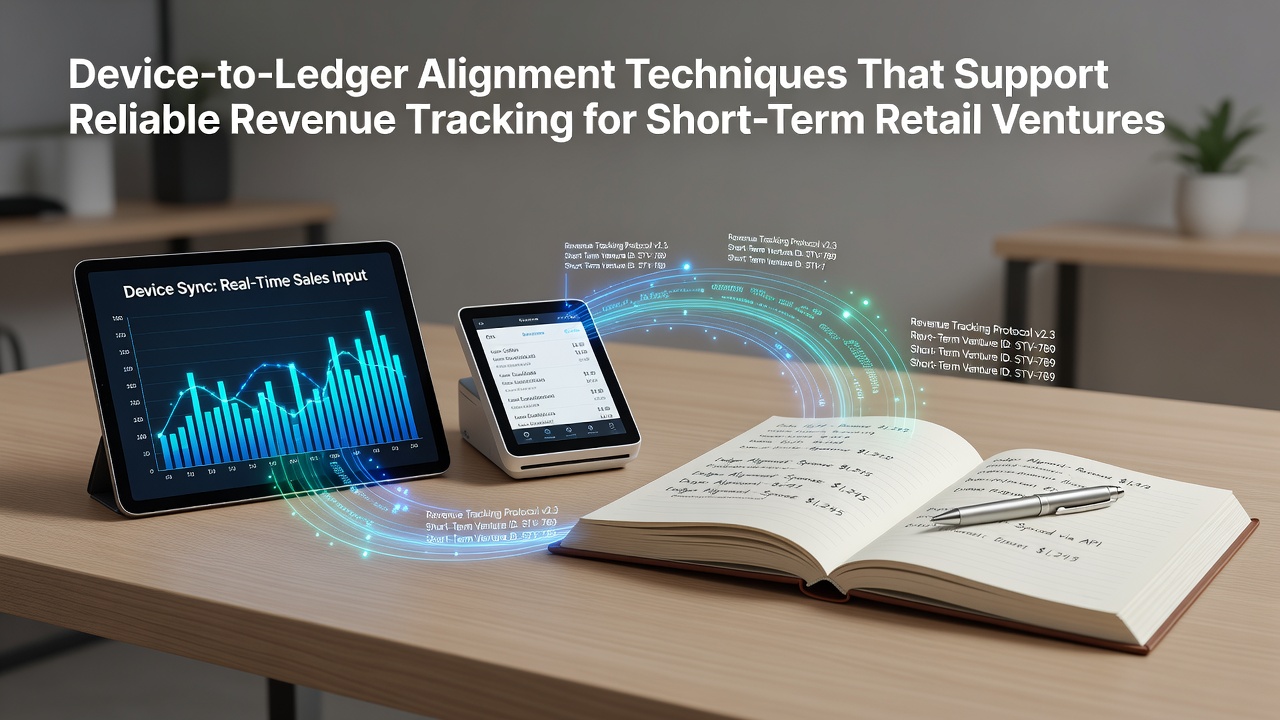
Short-term retail ventures such as pop-up shops, seasonal markets, and event-based stalls rely on portable devices that capture sales data and feed it directly into centralized accounting systems, yet alignment gaps often create discrepancies between recorded transactions and final ledger entries. Observers note that effective device-to-ledger techniques address these issues through structured synchronization methods that maintain accuracy across brief operational windows.
Core Alignment Mechanisms in Temporary Retail Environments
Device-to-ledger alignment begins with establishing direct communication pathways between mobile terminals and backend accounting platforms, where transaction records move in near real time rather than through delayed batch uploads. Research indicates that protocols using standardized API endpoints allow point-of-sale hardware to transmit encrypted payloads containing itemized sales, tax calculations, and payment authorizations straight into ledger software, reducing manual intervention that frequently introduces errors in high-turnover settings.
Techniques also incorporate timestamp verification layers that cross-check device clocks against network time protocols before data commits to the ledger, a step that prevents date mismatches during multi-day events when devices operate offline for periods and then reconnect. Data from payment system analyses shows these verification steps cut reconciliation disputes by aligning timestamps at the point of capture instead of during later audits.
Practical Techniques for Revenue Accuracy
One established approach involves automated reconciliation scripts that run at fixed intervals, comparing device-level transaction logs against bank deposit records and flagging variances above a set threshold for immediate review. Retail networks in seasonal locations apply this method by configuring scripts to run every four hours during peak activity, which allows operators to resolve discrepancies while the event remains active rather than after closure.
Another technique deploys edge computing modules on the devices themselves to perform preliminary ledger matching locally before full transmission occurs. These modules execute lightweight validation checks that confirm each sale entry matches expected inventory decrements and tax rules, then package only verified records for upload. Studies on retail technology adoption reveal that edge-based validation supports ventures operating in areas with intermittent connectivity, since partial data sets reach the ledger intact once connections stabilize.
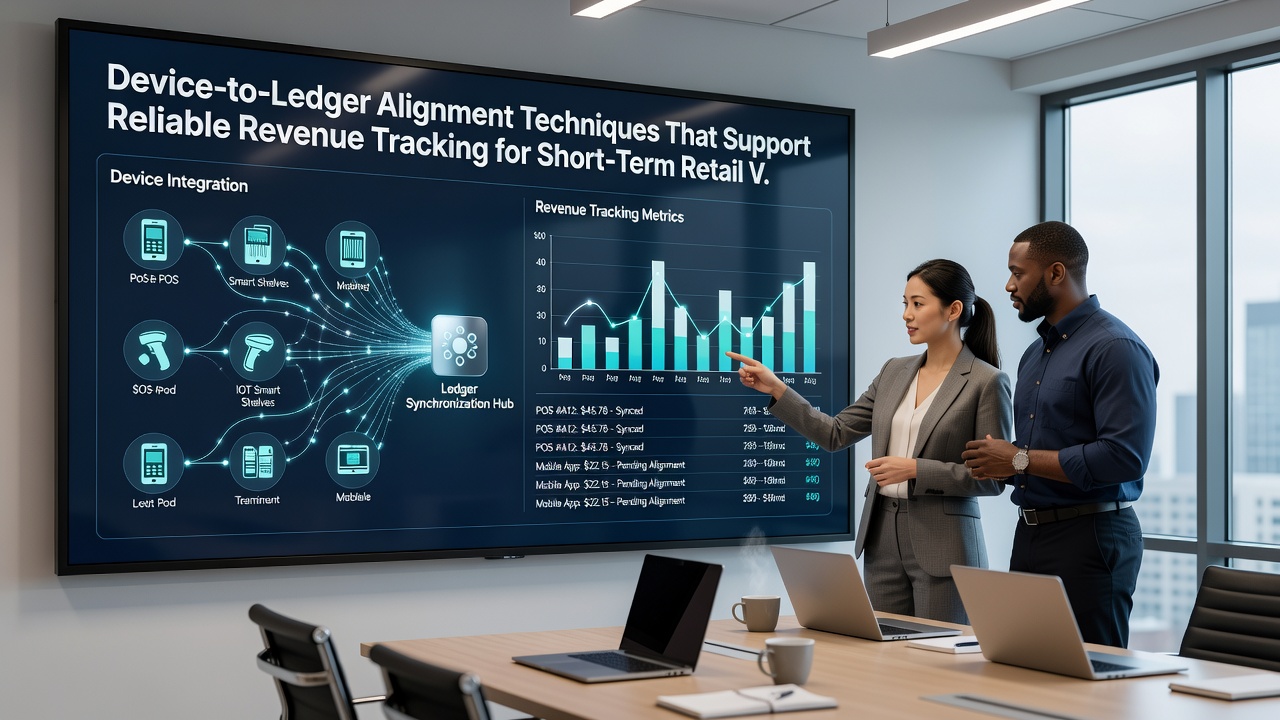
Inventory-linked alignment further strengthens tracking by tying each device transaction to digital stock records that update simultaneously in the ledger. When a sale processes through a handheld terminal, the system decrements corresponding inventory counts and posts the revenue entry in one coordinated action. This dual update prevents situations where sales appear in financial ledgers without corresponding stock adjustments, a common issue in temporary setups that move locations frequently and restock between events.
Data Integration Patterns Observed in 2026 Operations
By July 2026 payment infrastructure reports highlight increased use of modular connectors that map device output formats to specific ledger fields without requiring custom coding for each new venue. These connectors handle variations in currency, tax jurisdiction, and receipt requirements that arise when short-term retailers cross regional boundaries during a single season. According to Federal Reserve analyses of emerging payment technologies, standardized mapping tools have expanded adoption among operators managing multiple brief retail engagements within one calendar year.
Cloud-based ledger platforms now incorporate audit trails that log every device-initiated change with user identifiers and device serial numbers, creating traceable paths from individual sales to aggregated revenue totals. This structure supports compliance checks required by various tax authorities and simplifies end-of-event reporting for ventures that lack dedicated accounting staff.
Challenges and Mitigation Approaches
Connectivity fluctuations remain a primary obstacle in outdoor or temporary locations, prompting adoption of store-and-forward buffers that queue transactions locally until reliable transmission windows open. Once connectivity resumes, the buffer releases data in chronological order while preserving original timestamps and sequence numbers, ensuring the ledger receives complete sets without duplication or omission.
Device calibration routines also address hardware drift that can occur when terminals experience temperature changes or rough handling during transport between sites. Scheduled calibration checks compare device readings against reference standards and adjust internal parameters before each operational period begins, which maintains consistency between captured amounts and ledger postings throughout the venture's duration.
Conclusion
Device-to-ledger alignment techniques continue to evolve alongside portable payment hardware, with synchronization protocols, edge validation, and automated reconciliation forming the foundation for accurate revenue tracking in short-term retail. These methods allow operators to maintain financial integrity across brief, mobile engagements by ensuring data integrity at every stage from capture through final ledger entry.