Dynamic Pricing Adjustments and Their Influence on Credit Card Processing Outcomes for Seasonal Retailers
Tina Carter · Jun 12, 2026
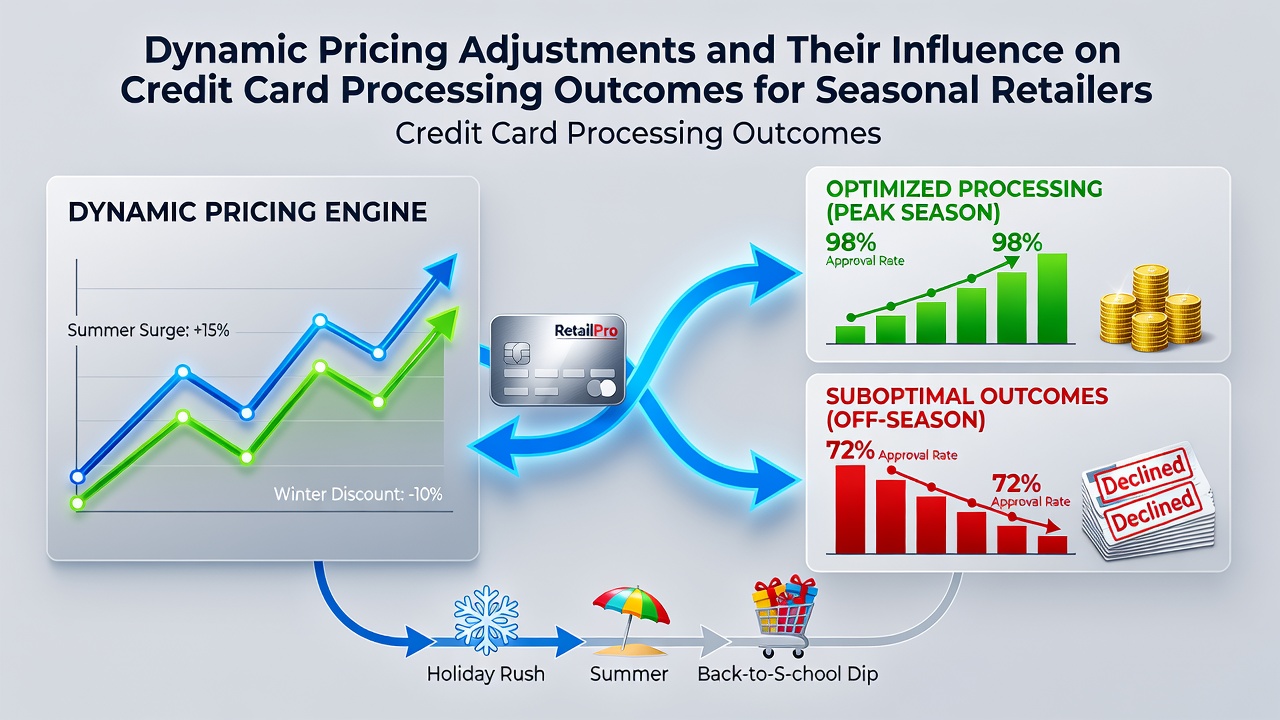
Dynamic Pricing Adjustments and Their Influence on Credit Card Processing Outcomes for Seasonal Retailers
Seasonal retailers adjust prices in response to demand fluctuations, inventory levels, and external factors such as weather patterns or local events, and these changes create distinct patterns in credit card transaction data that processors evaluate during authorization. Dynamic pricing systems update costs multiple times daily, which means transaction amounts vary even for identical items purchased hours apart, and payment networks register these variations as part of their risk scoring models.
How Processors Detect Pricing Shifts
Payment processors analyze authorization requests against historical merchant profiles, and when average ticket sizes move outside established ranges, approval algorithms flag the activity for additional review. Seasonal businesses that raise prices sharply before holidays often see temporary increases in decline rates because the sudden change in transaction values triggers velocity checks designed to catch potential fraud. Data compiled through mid-2026 shows that merchants using automated repricing tools experienced a 12 to 18 percent shift in approval percentages during transition weeks compared with steady-price periods.
Interchange fees themselves remain tied to card type and transaction category rather than the price point, yet volume spikes that accompany successful price adjustments can push merchants into higher monthly processing tiers. Those tiers sometimes carry different assessment rates, so the net cost per transaction changes even though the base interchange schedule stays constant. Observers note that retailers who coordinate their pricing calendars with their acquirer ahead of time reduce unexpected tier jumps.
Authorization Pathways During Peak Seasons
High-volume days create concentrated authorization traffic, and processors apply additional scrutiny when both amount and frequency deviate from baseline patterns. A retailer that lowers prices to clear summer inventory may generate many small transactions in quick succession, while the same merchant raising prices for winter stock tends to produce fewer but larger charges. Each pattern carries its own decline probability based on the issuer's internal rules.
Chargeback Exposure and Refund Timing
Price adjustments also affect post-authorization outcomes because customers who later discover a lower price elsewhere may initiate disputes. When a merchant drops a price within days of a purchase, refund requests rise, and each refund carries its own processing fee plus potential chargeback risk if the customer disputes rather than requests a return. Industry reports indicate that seasonal retailers using dynamic models filed 7 percent more refunds in the first half of 2026 than those maintaining fixed pricing.
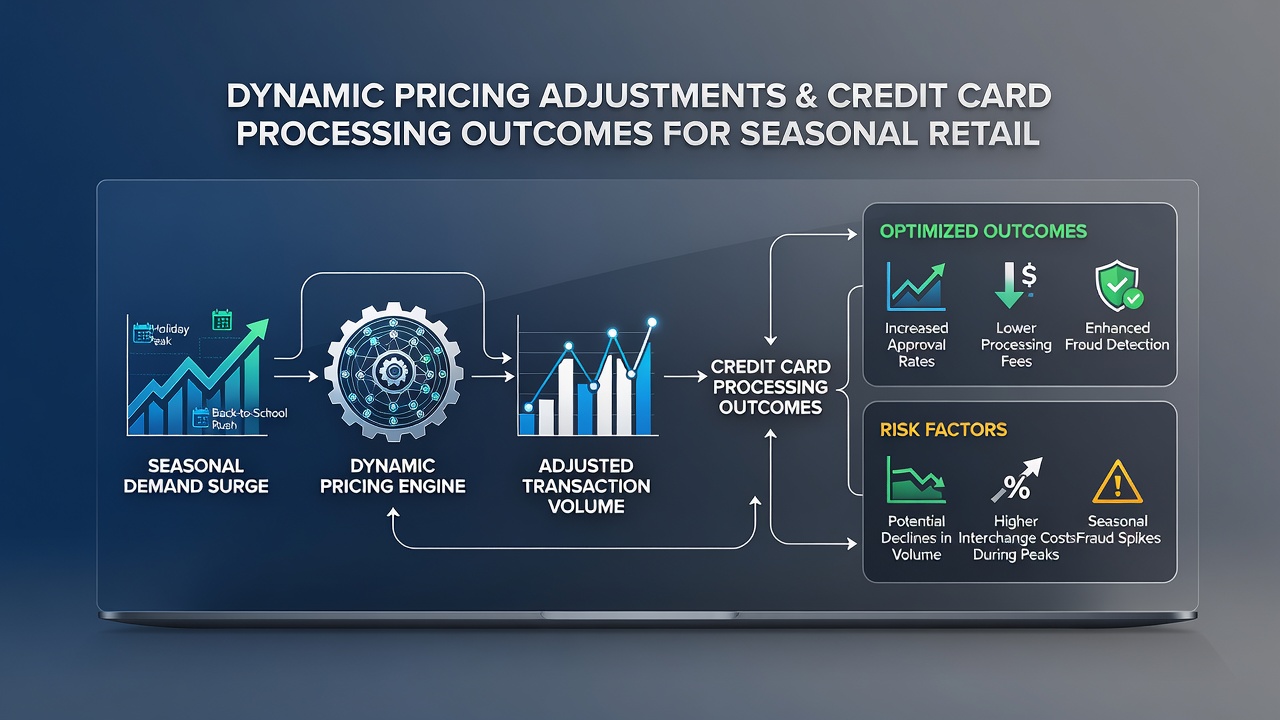
Tokenized recurring billing adds another layer because saved card details attached to an order placed at one price may later process a different amount if the merchant applies a price adjustment before fulfillment. Issuers sometimes treat the amount mismatch as a potential indicator of account takeover, prompting step-up authentication that can reduce conversion rates on the second attempt.
Geographic and Regulatory Context
Merchants operating across multiple regions face additional complexity because interchange schedules and consumer protection rules differ. According to Federal Reserve payment system data, cross-border seasonal transactions processed in the first quarter of 2026 carried average approval rates 4.2 percentage points lower than domestic equivalents when pricing changes exceeded 15 percent within a 48-hour window. European Central Bank statistics released in June 2026 similarly recorded elevated decline rates for tourism-related merchants during shoulder seasons when dynamic adjustments were most aggressive.
Retailers that maintain separate merchant accounts for peak and off-peak operations sometimes isolate these effects, though most seasonal businesses consolidate activity under one MID. The consolidated approach simplifies reconciliation but concentrates all pricing-driven variance inside a single risk profile that processors monitor continuously.
Practical Adjustments Merchants Implement
Merchants often segment their pricing rules by card type or region to keep transaction profiles within processor tolerances. One study of mid-sized retailers revealed that businesses applying different markups to domestic versus international cards recorded steadier approval curves throughout 2025 and into 2026. Another approach involves gradual price ramps rather than abrupt jumps, which keeps daily averages closer to historical norms and reduces the frequency of manual review requests from issuers.
Real-time monitoring tools now feed pricing calendars directly into acquirer dashboards, allowing processors to pre-approve expected variance windows. When a merchant notifies its processor of an upcoming promotional window, the system can temporarily widen acceptable amount ranges, which has been shown to lift approval rates by 3 to 5 points during the notified period.
Conclusion
Dynamic pricing and credit card processing outcomes intersect through authorization logic, fee tier structures, and post-sale dispute patterns. Seasonal retailers that align their pricing calendars with processor expectations, segment transaction streams where feasible, and monitor approval metrics in real time maintain more consistent processing performance across demand cycles. Data collected through June 2026 demonstrates that these coordination steps correlate with fewer unexpected declines and lower refund volumes, regardless of how aggressively prices move.