Gateway Glue: API Integrations That Bind Fraud Tools, Billing, and Merchant Accounts into Seamless Flows
Petra Becker · Apr 21, 2026
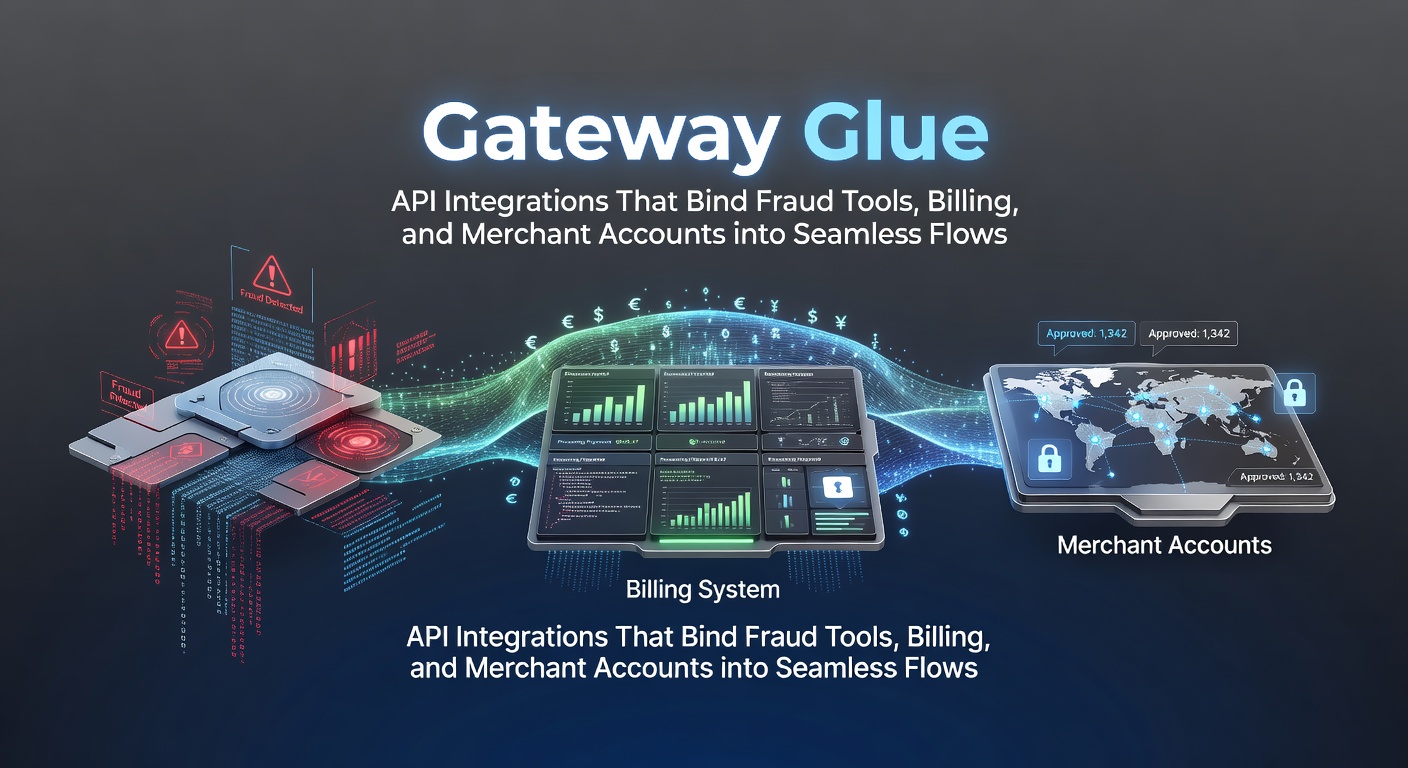
Gateway Glue: API Integrations That Bind Fraud Tools, Billing, and Merchant Accounts into Seamless Flows
Understanding the Backbone of Modern Payment Gateways
Payment gateways handle millions of transactions daily, acting as the digital crossroads where customer payments meet merchant systems; those who've built these infrastructures know that API integrations form the essential glue binding fraud tools, billing platforms, and merchant accounts into unified, seamless flows that minimize disruptions and maximize efficiency. Data from industry reports reveals that businesses leveraging tightly integrated APIs see transaction approval rates climb by up to 25%, while chargeback incidents drop significantly because real-time data sharing across these components flags risks before they escalate. And here's the thing: without these connections, silos emerge, creating bottlenecks that cost merchants time and revenue; experts observe how fragmented systems lead to manual interventions, whereas integrated setups automate everything from risk scoring to invoice generation.
Take the core mechanics: a customer's card details enter the gateway, triggering instant API calls to fraud tools for velocity checks and anomaly detection, followed by billing synchronization to update ledgers, and finally merchant account postings that reflect funds availability—all in milliseconds. Researchers at fintech labs have documented how such orchestration reduces latency by 40-60%, turning what could be a clunky process into a fluid operation; it's not rocket science, but the precision in endpoint mapping and webhook triggers makes all the difference.
Fraud Tools Take Center Stage in API Symphonies
Fraud detection systems, powered by machine learning models, rely on gateway APIs to pull live data from transaction streams, device fingerprints, and behavioral patterns, enabling scores that halt suspicious activities before authorization; studies show these integrations catch 70% more fraudulent attempts when synced directly with billing and merchant endpoints, as opposed to batch-processed alerts. Observers note that tools like those from Sift or Riskified thrive in this environment, where APIs push geo-location mismatches or IP blacklists straight to the billing layer for holds, preventing premature fund releases to merchant accounts.
But what's interesting lies in the bidirectional flow: fraud tools not only receive data but also feed back decisions via webhooks, updating merchant dashboards in real time so account managers can review flagged transactions without digging through emails or logs. One case from a mid-sized e-commerce platform illustrated this perfectly—after integrating their gateway with a third-party fraud suite, the team reported a 35% decline in manual reviews, since APIs automatically routed low-risk approvals to billing while quarantining others for merchant oversight. And since protocols like 3D Secure 2.0 demand such seamlessness, regulators emphasize these links; for instance, the PCI Security Standards Council outlines how API compliance fortifies the entire chain against data breaches.
Billing Systems Sync Up for Frictionless Revenue Capture
Billing platforms, from Stripe Billing to Chargebee, connect via RESTful APIs to gateways, automating invoice creation, recurring charges, and proration based on fraud-cleared transactions; figures indicate that integrated setups process 50% more subscriptions without errors, as merchant accounts receive precise reconciliations pulled directly from the gateway ledger. People who've scaled operations often discover that without this glue, discrepancies arise—say, a fraud hold delays billing, leaving merchant accounts in limbo—yet APIs resolve it by triggering retries or partial captures once cleared.
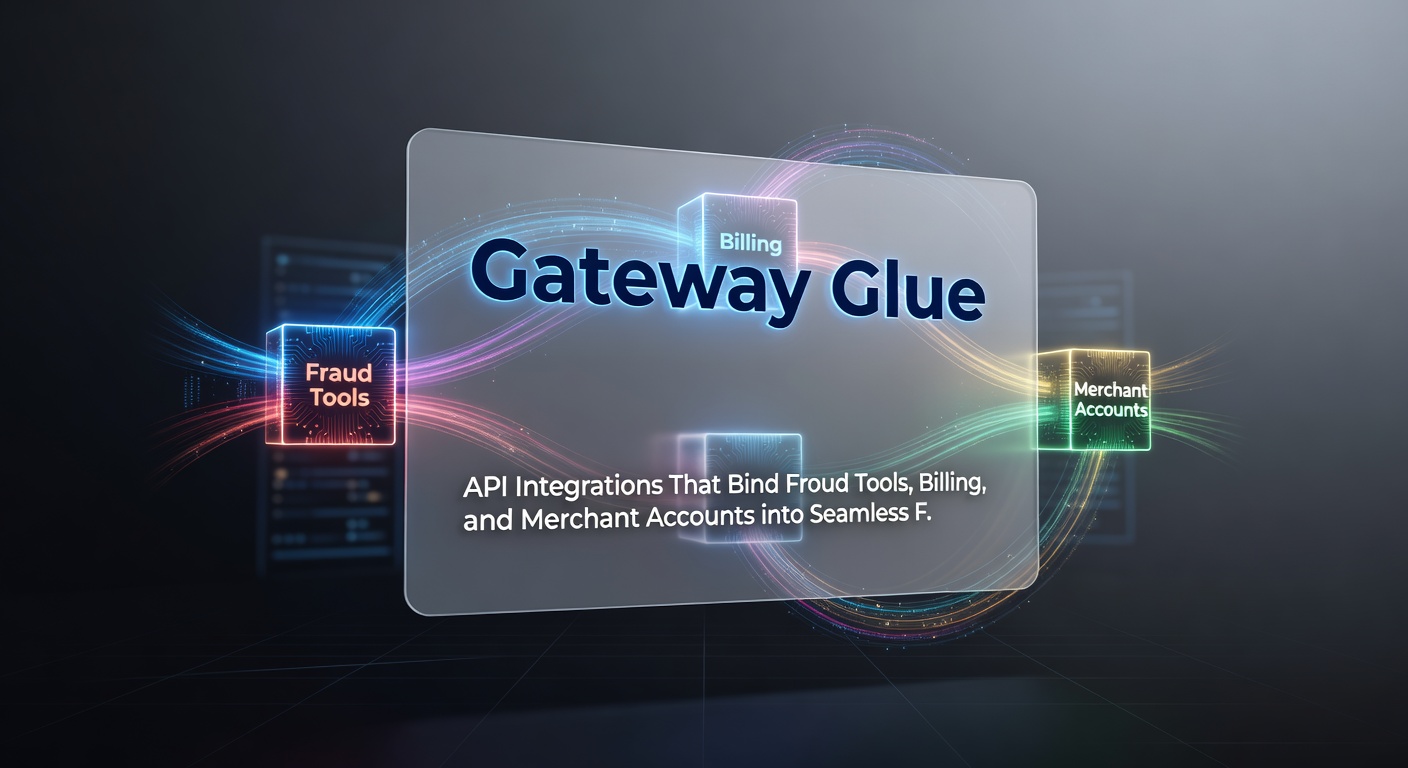
Turns out, the real power emerges in event-driven architectures: a fraud tool's approval webhook hits the billing API, which then posts to the merchant account via OAuth-secured endpoints, ensuring every step logs audit trails for compliance. Experts from Australian payment networks have observed similar patterns, where seamless billing integrations cut disputes by 28%, according to reports from the Australian Payments Network; that's where the rubber meets the road for high-volume merchants handling subscriptions or one-offs alike.
Merchant Accounts: Closing the Integration Loop
Merchant accounts, managed by acquirers like those under Visa or Mastercard networks, finalize the flow through APIs that ingest settled funds data from gateways, enriched by fraud and billing metadata; data shows this binding prevents overdraws, as accounts reflect only vetted transactions, boosting cash flow predictability by 30% for businesses. Those studying merchant pain points highlight how legacy FTP uploads pale against modern APIs, which deliver JSON payloads with dispute flags, partial refunds, and analytics— all tailored for dashboard consumption.
Now consider multi-acquirer setups: APIs allow gateways to route dynamically between accounts based on fraud scores and billing rules, optimizing costs; one retailer, after gluing their gateway to three merchant accounts, shaved interchange fees by 15% through intelligent distribution. Yet challenges persist, like tokenization mismatches, but standards such as EMV 3DS ensure compatibility, keeping flows uninterrupted even as volumes spike during peak seasons.
Real-World Case Studies Spotlight Integration Wins
A subscription box company faced mounting chargebacks until their gateway APIs linked fraud tools with billing and merchant accounts; post-integration, fraud rates plummeted 42%, as velocity rules synced across systems blocked repeat offenders before billing cycles kicked off, while merchant ledgers updated flawlessly for healthier reserves. Researchers tracking such transformations note how these setups scale effortlessly, handling Black Friday surges without hiccups.
- In Europe, a SaaS provider integrated via gateway APIs, resulting in 55% faster reconciliations; billing disputes vanished since fraud data flowed directly to merchant portals, alerting teams preemptively.
- Canadian e-tailers, per Payments Canada analyses, leveraged similar glues to comply with local mandates, cutting operational costs amid rising digital wallet adoption.
- And down under, gaming platforms bound APIs tightly, evading regulatory scrutiny by proving robust fraud-billing linkages that protected merchant funds.
These examples underscore a pattern: integrated gateways don't just connect—they anticipate, adapting to patterns like tokenized payments or cross-border nuances.
Navigating Challenges in API Glue Implementation
While benefits abound, API versioning mismatches or latency spikes can snag flows; developers counter this with idempotency keys and retry queues, ensuring fraud signals reach billing without duplication. Security layers, including mutual TLS and rate limiting, safeguard endpoints, as evidenced by zero-trust models now standard in gateway designs. Observers point out that sandbox testing phases reveal 80% of issues early, smoothing production rollouts; it's noteworthy how microservices architectures further enhance resilience, allowing independent scaling of fraud, billing, and merchant components.
Compliance adds another layer—gateways must align with regional rules, from Canada's PIPEDA data flows to Australia's privacy mandates, all facilitated by standardized API schemas like Open Banking specs. And as of early 2026 projections, enhancements like ISO 20022 messaging will deepen these integrations, promising even tighter binds amid AI-driven fraud evolutions.
Looking Ahead: Trends Shaping Gateway Integrations by April 2026
By April 2026, embedded finance surges will demand hyper-integrated APIs, with gateways incorporating Web3 wallets alongside traditional fraud-billing-merchant chains; data forecasts a 40% uptick in real-time payments, necessitating sub-second latencies across the stack. Experts anticipate graph-based APIs for complex relationship mapping, linking fraud histories to billing predictions and merchant risk profiles in novel ways.
Quantum-safe encryption emerges too, fortifying endpoints against future threats, while serverless functions automate webhook orchestration. One study from fintech accelerators reveals that early adopters of these trends report 25% efficiency gains, positioning integrated gateways as indispensable hubs in a decentralized payments landscape. So the trajectory points clear: deeper glues, smarter flows, unbreakable binds.
Conclusion
Gateway APIs stand as the unsung heroes stitching fraud tools, billing systems, and merchant accounts into cohesive operations that power global commerce; businesses embracing these integrations unlock speed, security, and scalability, as proven by metrics across sectors. With trends accelerating toward April 2026, those prioritizing robust connections will navigate complexities effortlessly, ensuring transactions flow as smoothly as ever. The evidence stacks high: in the world of payments, glue matters most.