Global Gateways Unlocked: Mastering Multi-Currency Flows in International E-Commerce
Felix Schmid · Apr 26, 2026

Global Gateways Unlocked: Mastering Multi-Currency Flows in International E-Commerce
The Surge in Cross-Border E-Commerce and Currency Demands
Cross-border e-commerce sales hit $785 billion in 2025, according to Statista figures, with projections climbing to over $1 trillion by the end of 2026 as consumers shop globally without borders; merchants who ignore multi-currency support watch potential revenue slip away, while those who master it capture markets from Europe to Asia. Data from the European Central Bank highlights how seamless currency handling boosts conversion rates by up to 40%, since buyers prefer paying in their local tender rather than wrestling with unfamiliar exchange calculations at checkout.
But here's the thing: not every gateway handles this smoothly, and as of April 2026, with rising trade volumes between the EU and emerging markets like Brazil and India, processors face pressure to deliver real-time conversions without hidden fees that erode trust. Observers note that platforms supporting 150+ currencies see cart abandonment drop significantly, turning hesitant international browsers into confident buyers.
Key Challenges in Navigating Multi-Currency Transactions
Exchange rate volatility strikes first, where fluctuations between the USD, EUR, and CNY can swing a merchant's margins overnight; add compliance hurdles like varying VAT rules across the EU or Brazil's IOF tax on foreign cards, and suddenly simple transactions turn complex. Research from McKinsey reveals that 62% of global shoppers abandon carts due to unexpected currency surprises, while Australia's Reserve Bank reports underscore how mismatched local acquiring leads to higher decline rates in regions like APAC.
What's interesting is how time zones exacerbate issues, since real-time settlements demand 24/7 processing that lags in legacy systems, causing delays that frustrate buyers in fast-paced markets; experts who've studied this observe that poor transparency in dynamic currency conversion (DCC) often results in disputes, with chargeback ratios climbing 15-20% for non-local payments. And yet, those who integrate robust forex APIs sidestep these pitfalls, ensuring rates reflect live market data minus predatory markups.
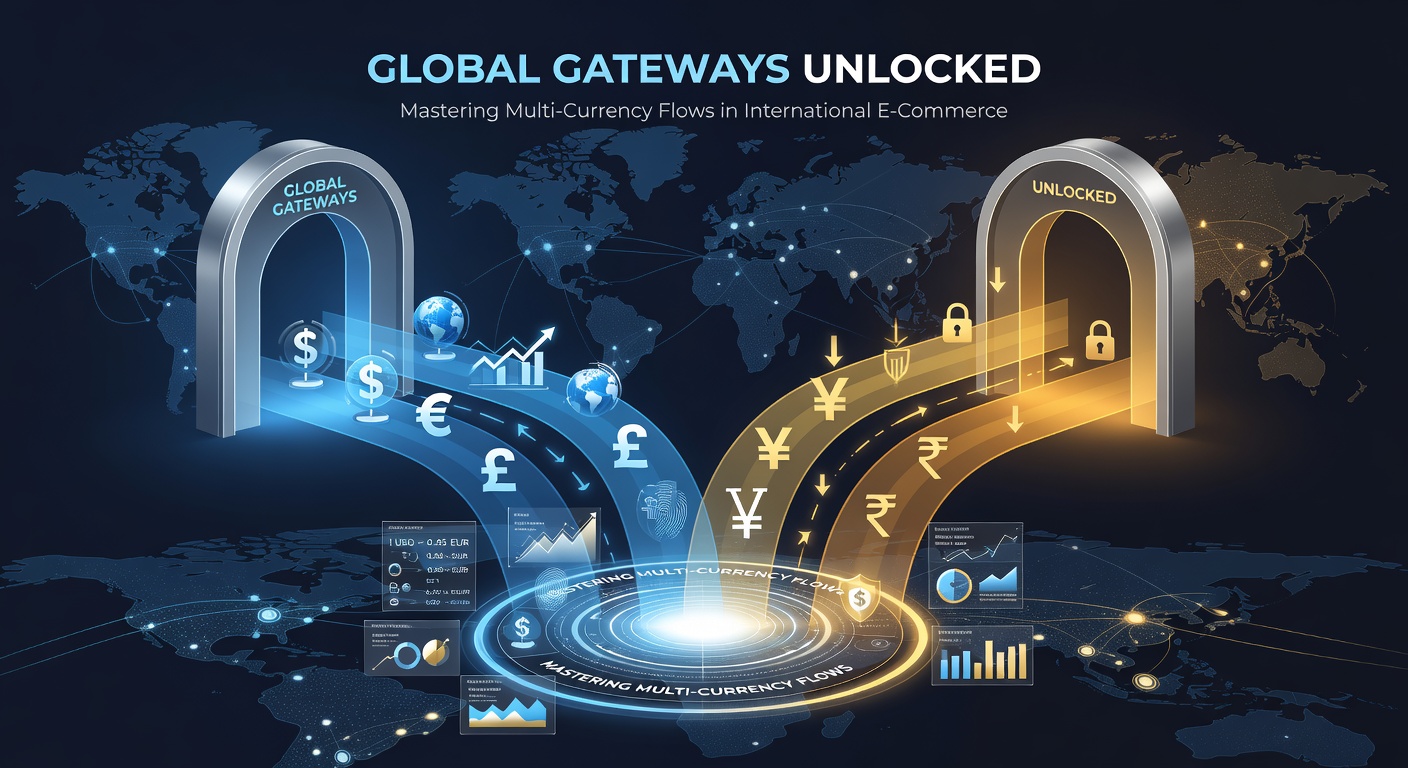
Technologies Powering Seamless Multi-Currency Gateways
Modern gateways leverage APIs from providers like CurrencyCloud or Rapyd, pulling live rates from sources such as Reuters or OANDA to enable geolocation-based currency detection at checkout; this means a shopper in Tokyo sees JPY pricing automatically, while one in Toronto gets CAD, all processed through local acquirers that minimize interchange fees. Turns out, ISO 20022 messaging standards, fully adopted across major networks by April 2026, standardize data flows for faster cross-border settlements, cutting processing times from days to hours as banks in the US, EU, and Singapore align protocols.
Blockchain enters the mix too, with stablecoins like USDC facilitating near-instant transfers without traditional forex volatility; studies from Deloitte indicate that platforms using these see settlement costs drop by 80%, although regulatory scrutiny from bodies like the US Commodity Futures Trading Commission ensures compliance. People who've implemented split payments—where gateways disburse in merchant-preferred currencies post-conversion—report smoother cash flows, especially for high-volume sellers shipping to multiple continents.
Dynamic Currency Conversion vs. Local Acquiring
Dynamic currency conversion lets buyers pay in their home currency via card networks, but it often carries 3-5% markups that gateways must disclose under PSD2 rules; local acquiring, on the other hand, processes cards natively in the buyer's country, slashing fees and declines since Visa and Mastercard prioritize domestic transactions. Data shows merchants using a hybrid approach boost approval rates to 95%, while those stuck in single-currency mode lose out on emerging markets where mobile wallets dominate.
So, gateways like Stripe or Adyen embed these features natively, auto-detecting buyer location via IP or billing address, then routing to the optimal processor; it's not rocket science, but getting the plumbing right separates thriving global stores from regional players.
Best Practices for Merchants Tackling Multi-Currency Mastery
Merchants start by offering payments in the top three local currencies for target markets—EUR for Germany, BRL for Brazil, INR for India—since research indicates this lifts conversions by 25-30%; transparent pricing displays both home and local amounts side-by-side, building trust and curbing abandonment. Those who've rolled out multi-currency wallets report fewer refunds, as buyers lock in rates at purchase rather than risking post-sale swings.
Now, compliance looms large: gateways must adhere to SCA mandates in Europe or India's UPI guidelines, integrating 3DS 2.0 for frictionless auth across borders; hedging tools within platforms let sellers fix rates for 30-90 days, shielding against volatility in volatile pairs like USD/ZAR. Case in point: one apparel brand expanded to Southeast Asia by partnering with a gateway supporting GCash and Dana wallets, watching international sales triple in six months while keeping forex losses under 1%.
Real-World Case Studies from Global Sellers
- A US-based electronics retailer integrated multi-currency via Adyen, handling EUR, GBP, and AUD flows; results showed a 35% revenue uptick from Europe alone, with average order values rising due to localized pricing.
- European fashion e-tailer Zalando uses local acquiring in 20+ countries, processing €2 billion in cross-border volume annually; their gateway setup ensures 99% uptime, even during peak holiday surges.
- Take an Australian supplement seller targeting the US and Canada: by enabling CAD and USD at checkout with real-time rates, they cut cart drops by 28%, per internal metrics shared at industry forums.
These examples reveal patterns—gateways that bundle analytics for currency performance analytics empower merchants to double down on high-margin markets, tweaking strategies based on data like conversion funnels per locale.
Regulatory Shifts and Future Trends as of April 2026
April 2026 brings PSD3 into sharper focus across the EU, mandating even tighter transparency for cross-border FX and faster refunds in non-local currencies; meanwhile, Canada's modernized payments framework pushes for open banking APIs that streamline multi-currency rails. In Asia, Singapore's MAS accelerates Project Nexus, linking systems for ASEAN-wide flows in SGD, MYR, and THB, benefiting e-commerce hubs like Shopee.
Looking ahead, AI-driven rate optimization predicts volatility, auto-adjusting pricing; embedded finance via gateways lets merchants offer buy-now-pay-later in local currencies, expanding to underserved regions. Figures from Juniper Research project multi-currency transactions to comprise 60% of global e-commerce volume by 2028, driven by these innovations although adoption lags in Africa due to infrastructure gaps.
Yet challenges persist, like crypto regulations tightening under frameworks from the US SEC, which scrutinize stablecoin use in payments; gateways adapting with hybrid fiat-crypto options position themselves for growth.
Conclusion: Unlocking Global Potential Through Smart Gateways
Mastering multi-currency flows boils down to gateways that deliver speed, transparency, and compliance in one package; merchants embracing these tools tap into borderless markets, where data consistently shows higher revenues and loyalty from international buyers. As April 2026 unfolds with fresh regulations and tech rollouts, those who prioritize local experiences while hedging risks stand to gain the most; the landscape evolves quickly, but the fundamentals remain: connect buyers to familiar currencies, process flawlessly, and watch global sales soar.