Holiday Rush Ripples: Settlement Timelines in Large-Scale Retail Payment Ecosystems
Lars Schulz · Jul 28, 2026
Holiday Rush Ripples: Settlement Timelines in Large-Scale Retail Payment Ecosystems
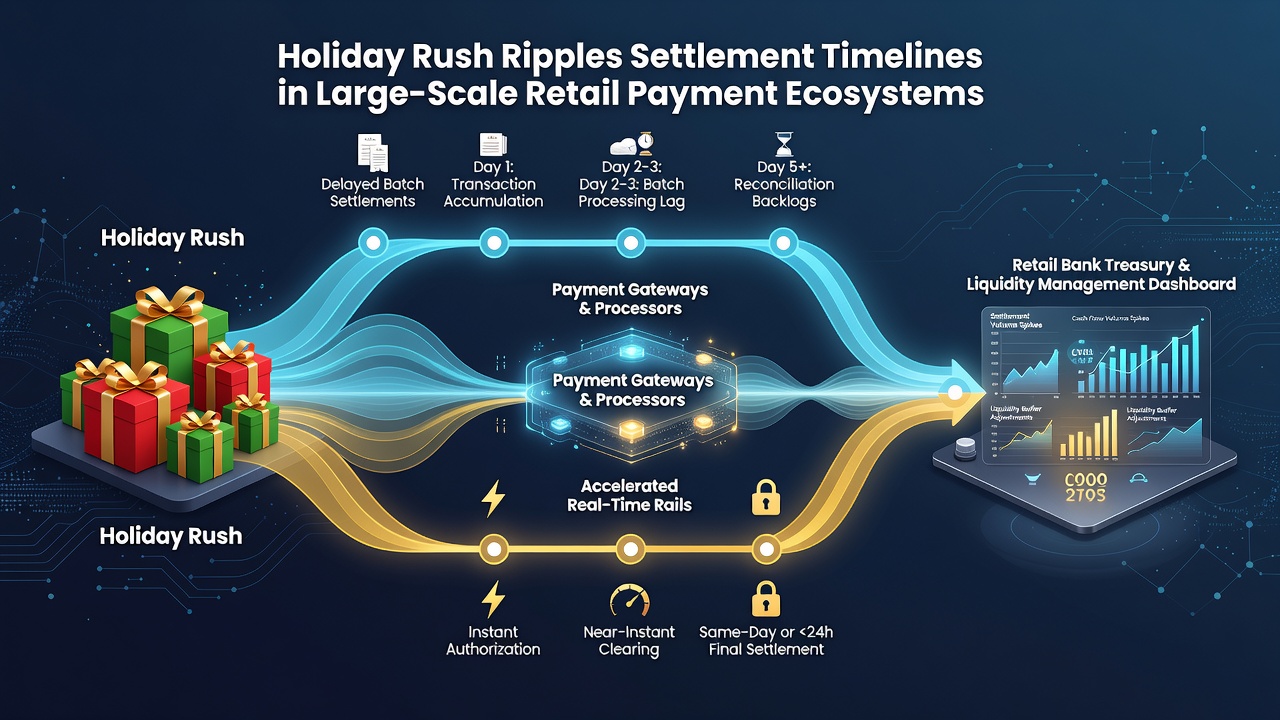
Retail payment ecosystems experience significant shifts during peak holiday periods when transaction volumes spike and settlement timelines stretch beyond standard windows, and observers note that these changes create cascading effects across merchant accounts, acquiring banks, and card networks alike. Data from major processors shows that normal T+1 or T+2 settlement cycles often extend to T+3 or longer when daily volumes exceed baseline thresholds by 200 percent or more, while researchers have documented similar patterns in both domestic and cross-border flows.
Core Mechanics of Settlement in Retail Networks
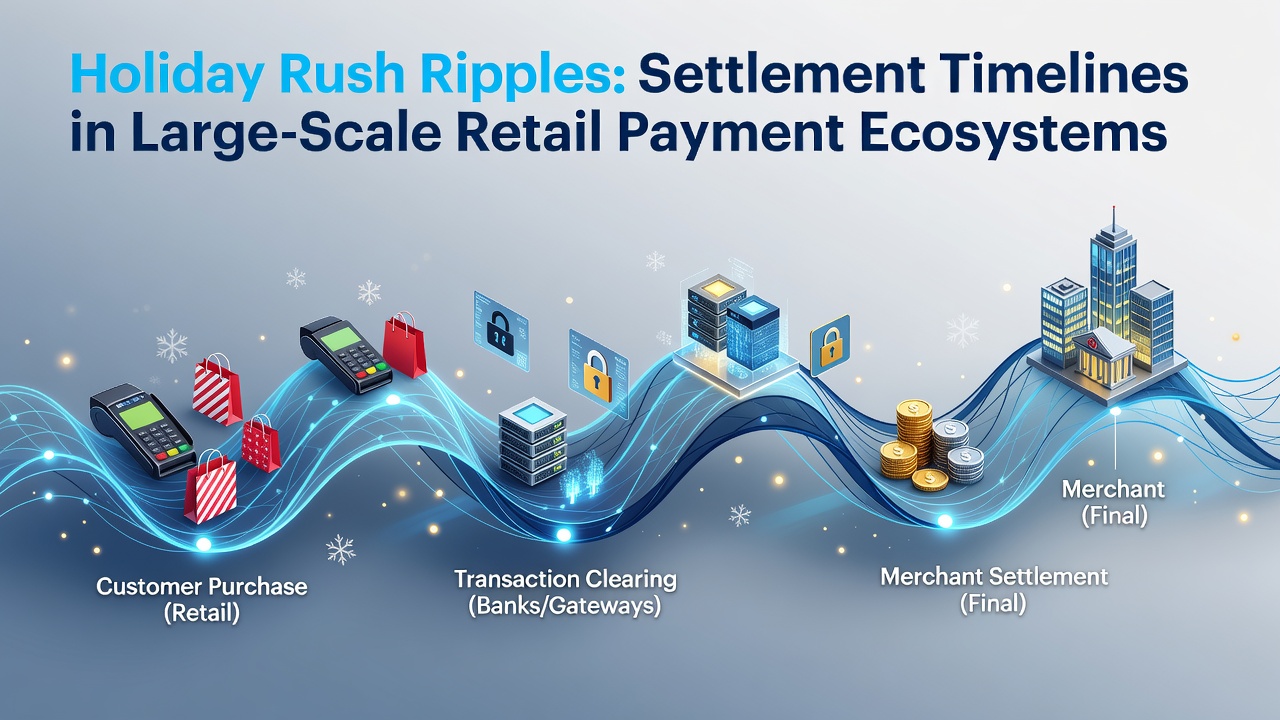
Settlement occurs when funds move from issuing banks through card networks to acquiring institutions before reaching merchant accounts, and this process relies on batching systems that reconcile authorizations against actual captures each day. Large-scale operators batch transactions multiple times daily during non-peak periods, yet holiday surges force many processors to consolidate into fewer larger batches because backend verification queues lengthen under sustained load. Those who have examined network logs find that authorization success rates remain high even as settlement lags grow, because the two functions operate on separate rails until reconciliation begins.
Bank holidays and weekend closures add fixed delays that compound during November and December, and figures from the Federal Reserve's payments research reveal that settlement windows lengthen by an average of 1.2 days when Christmas Day falls on a weekday. Automated clearing houses and wire systems operate on their own calendars, so merchants selling across regions encounter mixed timelines depending on where their acquirer routes funds.
Volume-Driven Extensions During Peak Seasons
High-volume days trigger capacity constraints at every layer, from gateway batching to final ledger updates at issuing banks, and analysts tracking these patterns observe that processors often implement temporary throttling rules that prioritize high-value merchants over smaller ones. One study of North American networks found that merchants exceeding 10,000 daily transactions saw average settlement times increase from 36 hours to 72 hours during the 2025 holiday window, while smaller accounts cleared closer to normal schedules because they fell below secondary review thresholds.
Reserve requirements at acquiring banks also tighten when overall portfolio risk rises, and data indicates that institutions may hold funds an extra day to complete additional fraud screening or reserve calculations. This practice occurs more frequently with merchants in categories that see seasonal spikes, such as electronics and apparel, because historical chargeback ratios climb in January. European Central Bank reports on retail payment systems similarly document extended holds during comparable end-of-year surges across eurozone markets.
Regional and Platform Variations in 2026
Settlement behavior differs by geography and by the mix of card types processed, and July 2026 industry summaries highlight that North American processors using real-time rails reduced some holiday delays compared with prior years while European operators relying more heavily on batch ACH equivalents continued to report multi-day extensions. Merchants operating subscription models or recurring billing experience different ripple effects because their capture schedules overlap with one-time holiday purchases, creating denser reconciliation files that take longer to match against deposits.
Multi-currency platforms add another layer when exchange rate locks and compliance checks run overnight, and those tracking cross-border volumes note that settlements involving USD to EUR conversions frequently add 24 hours during December peaks. Processors that maintain separate settlement queues for different card brands also show measurable divergence, with certain premium cards clearing faster than standard debit products because network priority rules favor them.
Reconciliation Patterns and Merchant Cash Flow
Merchants track expected deposits against actual bank credits, and discrepancies spike when settlement batches span multiple calendar days or cross fiscal periods. Automated reconciliation tools compare sales records to incoming wires, yet holiday volume often produces partial matches that require manual review before final posting. Observers who have reviewed merchant accounting logs find that these mismatches peak in the first two weeks of January when returns and chargebacks further complicate the picture.
Reserve releases follow settlement completion in many agreements, so delayed funds directly affect available working capital for inventory restocking and marketing ahead of the next cycle. Large retailers sometimes negotiate custom reserve schedules that mitigate these effects, whereas smaller operations absorb the full impact of standard timelines.
Conclusion
Settlement timelines in large-scale retail payment ecosystems lengthen measurably during holiday periods because volume, calendar constraints, and layered verification steps interact in predictable ways, and data collected through 2026 continues to map these interactions across regions and processor types. Merchants and processors that align batch schedules, monitor reserve policies, and account for regional banking calendars experience fewer disruptions when peaks arrive, while those who overlook these variables encounter extended delays that affect cash flow planning. Ongoing network upgrades and selective adoption of faster rails show measurable reductions in some markets, yet the fundamental dynamics of high-volume reconciliation remain consistent year after year.