How Multi-Platform Data Sync Shapes Scalable Billing Models in Specialized Retail Networks
Petra Becker · Jun 7, 2026
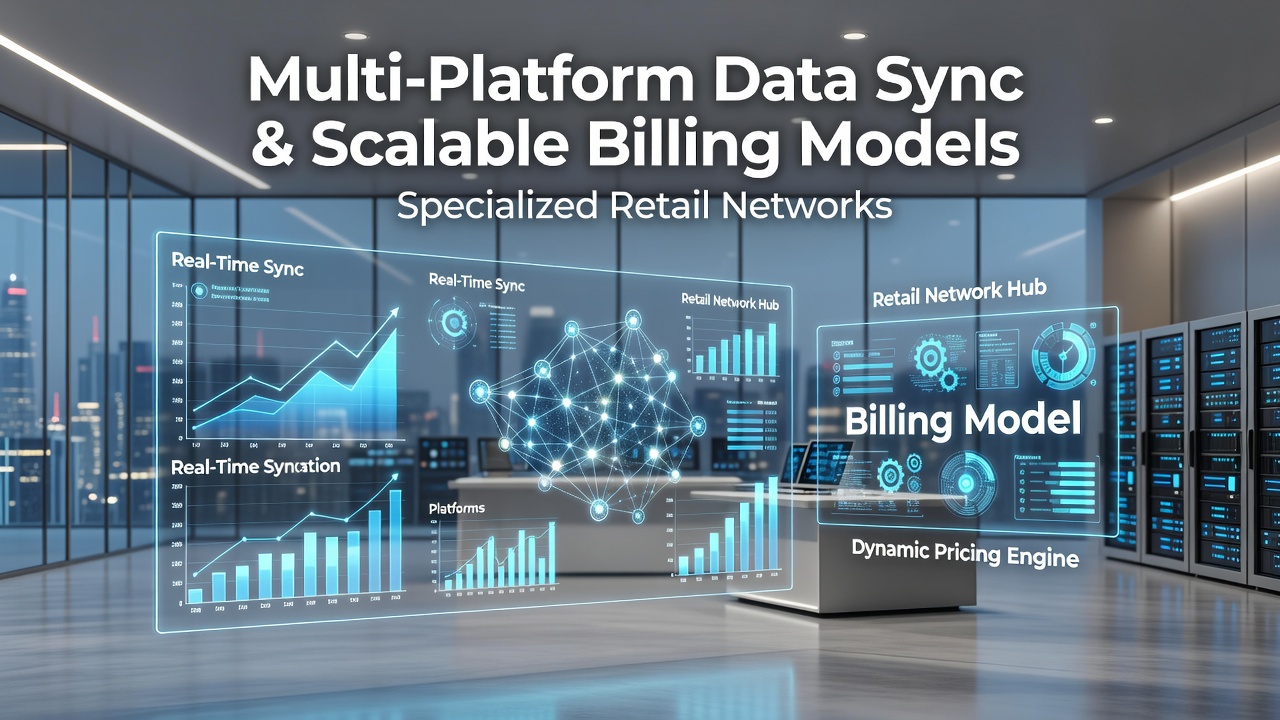
How Multi-Platform Data Sync Shapes Scalable Billing Models in Specialized Retail Networks
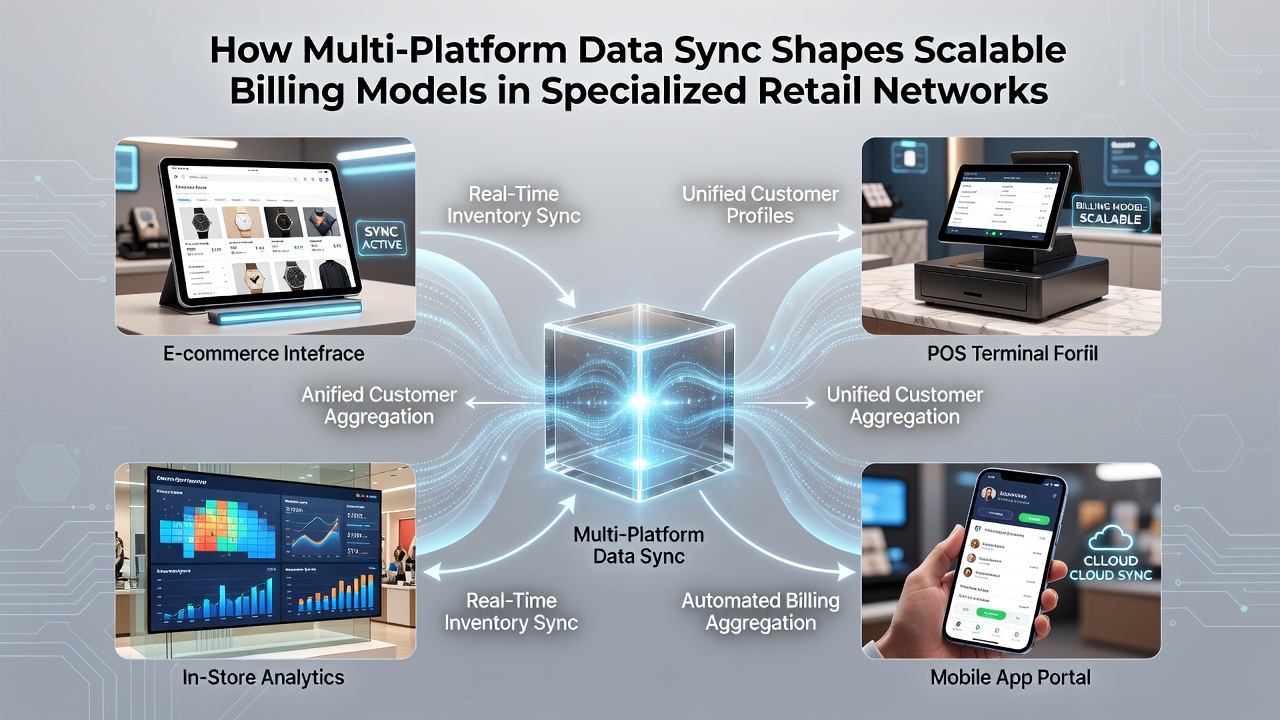
Specialized retail networks operate across multiple channels where inventory updates, customer profiles, and transaction records must align in real time. Data synchronization between point-of-sale systems, e-commerce platforms, mobile apps, and warehouse management tools creates the foundation for billing models that expand without proportional increases in manual reconciliation or error rates. Retail operators in niches such as outdoor equipment, specialty foods, and medical supplies rely on these connections to maintain accurate recurring charges, one-time purchases, and subscription adjustments across locations.
Core Mechanisms of Cross-Platform Data Alignment
Retail networks achieve synchronization through standardized APIs that push and pull information at scheduled intervals or on event triggers. When a customer updates a shipping address in a mobile application, the change propagates to the central customer database within seconds, ensuring that any subsequent invoice reflects the correct details without separate entries by staff. Observers note that protocols such as JSON-based webhooks and event-driven architectures reduce latency between platforms, allowing billing engines to reference a single source of truth for pricing tiers, tax calculations, and payment methods. Research from the Retail Council of Canada indicates that networks implementing these protocols experience fewer mismatches in order totals during peak periods compared with those relying on batch file transfers.
Scalability in Billing Structures
Billing models scale when data flows eliminate the need for separate ledgers per channel. A specialty apparel retailer that opens new franchise locations can add each store’s terminal to the existing sync framework rather than rebuilding invoice templates from scratch. The system automatically applies volume-based discounts, loyalty credits, and regional tax rules because customer purchase history and inventory levels remain consistent across all endpoints. Figures from industry reports reveal that networks using unified data layers process up to three times more transactions per billing cycle without adding headcount in finance departments. This pattern holds particularly for retailers managing hybrid models that combine in-store pickup with subscription replenishment of consumable goods.
Practical Applications in Niche Retail Segments
Specialty bike shops illustrate the effect clearly. When a customer purchases a frame online and later adds components in-store, the synchronized system registers both line items under one account, generating a consolidated monthly statement if the buyer participates in a maintenance subscription. The same data stream updates available stock counts at the warehouse and triggers automatic reorders when thresholds are reached. Similar flows appear in networks selling precision tools or artisanal ingredients, where product variants carry different pricing structures yet must appear uniformly on customer-facing invoices. Data alignment also supports dynamic pricing experiments limited to specific regions while preserving overall revenue recognition rules across the network.
Technical Considerations for Growing Networks
Networks expanding into new markets encounter varying data residency requirements and currency handling rules. Synchronization layers that incorporate middleware capable of translating between regional formats allow billing engines to remain centralized while still complying with local standards. In June 2026 several European retailers began testing enhanced sync protocols that embed regulatory reporting fields directly into transaction records, reducing the time required to generate compliant invoices for cross-border sales. Middleware also manages conflict resolution when simultaneous updates occur, such as an online return processed at the same moment an in-store exchange is recorded. Without these mechanisms, duplicate charges or missed credits appear on customer statements and trigger support tickets that slow overall operations.
Integration With Existing Financial Systems
Accounting platforms receive aggregated data feeds rather than raw transaction logs, which simplifies audit trails and tax filings. Retail networks that synchronize inventory valuation alongside sales data can calculate cost of goods sold automatically at the close of each period. This integration proves especially useful for retailers offering installment plans or deferred billing, where outstanding balances must reflect accurate fulfillment status across channels. According to documentation from the European Commission on digital commerce infrastructure, standardized data exchange formats enable smoother handoffs between payment processors and internal billing modules, cutting reconciliation cycles from days to hours in many documented cases.
Conclusion
Multi-platform data synchronization supplies the consistent records required for billing models that accommodate growth in specialized retail networks. By maintaining unified views of customers, inventory, and transactions, operators reduce manual interventions and support more complex pricing arrangements without proportional increases in administrative load. Continued refinement of sync protocols, particularly those addressing regulatory and currency variations, will determine how efficiently these networks scale their billing operations in coming years.