How Reserve Fund Requirements Shape Growth Trajectories for New Entrants in Digital Retail Networks
Tina Carter · Jul 24, 2026
How Reserve Fund Requirements Shape Growth Trajectories for New Entrants in Digital Retail Networks
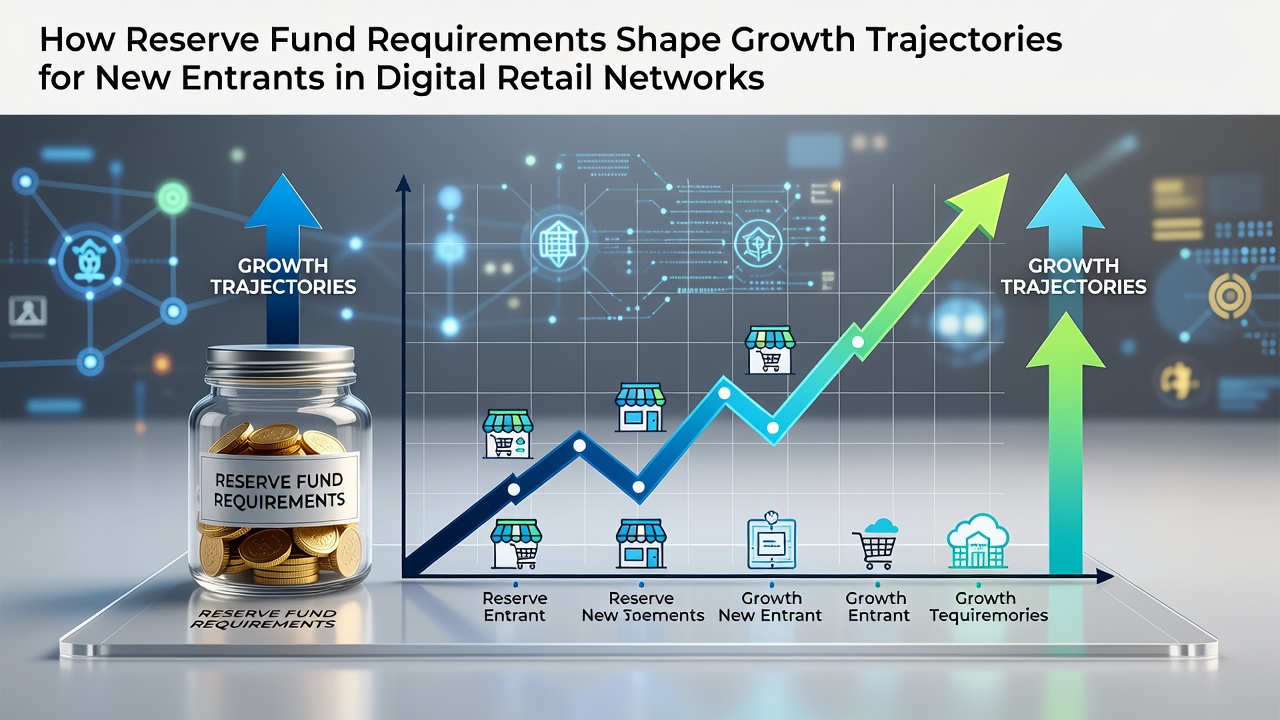
Reserve fund requirements in digital retail networks function as financial buffers that payment processors hold to cover potential chargebacks, refunds, and operational risks, and these mechanisms directly influence how new market entrants allocate capital during their early scaling phases. Observers note that processors typically calculate reserve percentages based on risk profiles, transaction volumes, and merchant history, which means fresh entrants without established track records often face higher withholding rates that range from 5 to 10 percent or more of processed revenue.
Mechanics of Reserve Funds in Payment Ecosystems
Payment processors establish these reserves to protect against losses, and the funds remain inaccessible to merchants until predefined release schedules or performance milestones are met, which creates immediate cash flow constraints for businesses just entering digital retail channels. Researchers at institutions tracking payment industry trends have documented that new entrants in sectors such as subscription services and niche e-commerce platforms encounter reserve terms that extend from 90 days up to six months or longer, depending on the perceived volatility of their product categories and customer bases.
Data from regulatory filings indicate that these holds tie up working capital that could otherwise support inventory purchases, marketing campaigns, or platform expansions, and the effect compounds when transaction volumes grow rapidly because the absolute dollar amount withheld increases proportionally. Those who've examined payment agreements across multiple platforms find that reserve calculations often incorporate rolling averages of chargeback ratios, so any spike in disputes can trigger immediate increases in the withheld percentage and further slow liquidity.
Capital Allocation Challenges for Emerging Retailers
New digital retailers frequently adjust their growth models to accommodate reserve demands by securing additional lines of credit or delaying product launches until sufficient reserves accumulate, and this pattern appears consistently in analyses of merchant onboarding data from 2024 through mid-2026. According to reports issued by the European Central Bank on payment services, small and medium enterprises operating across EU digital marketplaces reported reserve-related liquidity gaps averaging 8 to 12 percent of monthly revenue during their first year, prompting many to restructure supplier payment terms or seek alternative financing vehicles.
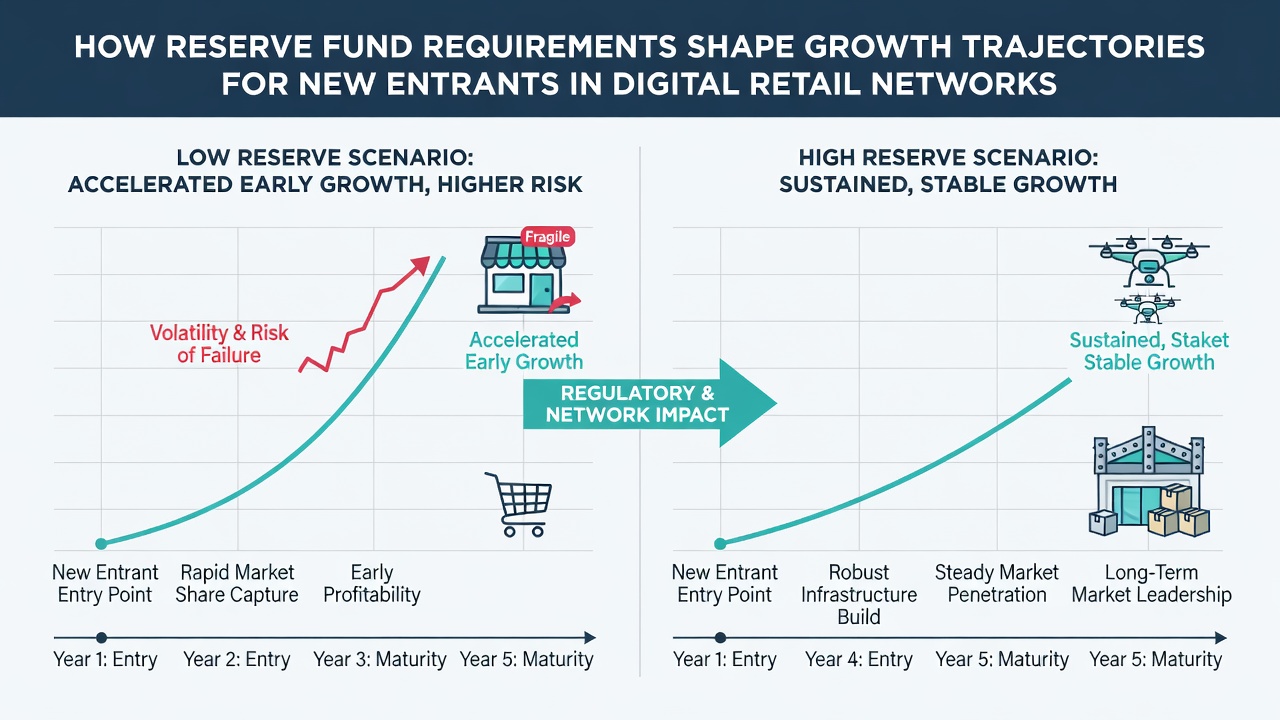
Take one Australian retailer that launched an online artisanal goods platform in early 2025 and discovered its processor imposed a 7 percent rolling reserve after the first chargeback cluster emerged, forcing the business to redirect 15 percent of projected marketing spend into a contingency account instead. Such adjustments alter expansion timelines, and observers tracking similar cases across North American and Asian markets note that companies able to negotiate tiered reserve reductions based on consistent low-dispute performance achieve faster access to capital and steadier month-over-month growth.
Strategic Adaptations Observed in 2026
By July 2026, several processors had introduced performance-linked reserve release schedules that reward merchants who maintain chargeback rates below industry benchmarks, and data compiled by the Federal Reserve Bank of New York shows these programs correlated with 20 percent higher survival rates among new digital entrants during their second year of operation. Retailers respond by investing early in fraud detection tools and customer service protocols that reduce dispute incidence, thereby unlocking portions of held funds ahead of standard schedules and freeing resources for geographic expansion or new product lines.
Industry reports from the Canadian Bankers Association highlight that merchants who diversify across multiple processors sometimes achieve blended reserve rates lower than those imposed by any single provider, although this approach introduces its own reconciliation overhead and compliance requirements. Those who've studied onboarding sequences across platforms find that transparent communication with processors about business plans and risk mitigation measures can lead to customized reserve terms that better align with projected cash flows.
Long-Term Trajectory Implications
Reserve structures also shape the types of partnerships new entrants pursue, as businesses often seek investors or lenders familiar with payment industry norms to bridge funding gaps during the reserve accumulation period. Research published by academic centers focused on retail finance indicates that companies operating in high-risk categories such as electronics accessories or digital downloads experience reserve durations nearly twice as long as those in low-risk categories like digital content subscriptions, which directly extends the time required to reach profitability benchmarks.
Yet networks that provide clear pathways for reserve reduction based on verifiable performance metrics allow entrants to accelerate their trajectories once initial stability is demonstrated, and this dynamic appears in longitudinal datasets tracking thousands of merchant accounts. External financing options tailored to reserve-backed receivables have emerged as one mechanism that smooths these transitions, enabling retailers to maintain growth momentum without waiting for full fund releases.
Conclusion
Reserve fund requirements continue to exert measurable influence on the pace and direction of growth for new participants in digital retail networks, with impacts visible in capital planning, partnership decisions, and operational investments. Figures from multiple regulatory and industry sources reveal that merchants who proactively manage dispute ratios and negotiate performance-based terms achieve more predictable access to working capital and therefore sustain steadier expansion curves over multi-year periods.