Linking Transaction Approval Mechanisms to Supply Chain Indicators in Niche E-Commerce Operations
Petra Becker · Aug 7, 2026
Linking Transaction Approval Mechanisms to Supply Chain Indicators in Niche E-Commerce Operations
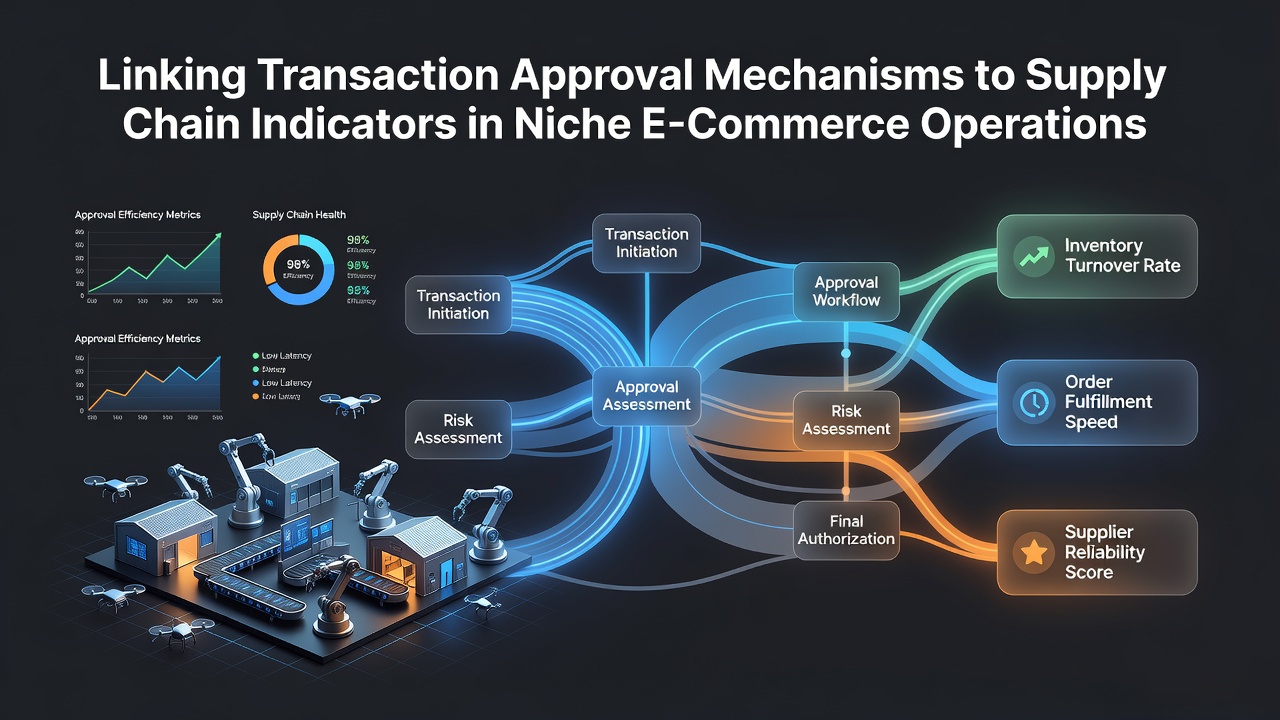
Transaction approval systems in niche e-commerce now pull directly from supply chain data streams, and this connection shapes how payments clear for specialized retailers handling limited-run goods or custom orders. Observers note that inventory levels, supplier lead times, and shipping status feed into risk models that decide whether a charge processes or declines, especially in sectors like artisanal foods, rare collectibles, and made-to-order apparel where stock fluctuates rapidly.
Core Connections Between Approvals and Supply Data
Payment processors integrate APIs that query warehouse management platforms before authorizing transactions, and this step verifies whether promised items remain available at the moment of purchase. Data from logistics providers updates these checks in real time, so a sudden delay in raw material delivery can trigger stricter verification layers on the payment side. Researchers at institutions tracking retail technology report that such linkages reduce failed fulfillments by aligning financial approvals with physical inventory snapshots.
Those who manage niche platforms often see approval rates shift when supply indicators change, because algorithms treat low stock as a higher-risk signal for potential chargebacks. A retailer selling limited-edition ceramics might experience different authorization patterns when kiln schedules slip, since the system cross-references production timelines against customer payment attempts. This approach relies on structured data exchanges rather than isolated fraud checks alone.
Key Supply Chain Indicators That Influence Approvals
Inventory turnover rates, supplier reliability scores, and estimated delivery windows rank among the primary indicators fed into approval engines. Systems compare these values against historical transaction patterns for similar merchants, and deviations can prompt additional authentication steps such as address verification or partial holds. In August 2026, platforms serving regional craft markets began incorporating weather-related supply disruptions into these models after multiple suppliers reported harvest delays affecting natural material availability.
Lead time variability also plays a direct role, because wide swings in component arrival times correlate with higher rates of order modifications that later result in disputes. Processors therefore adjust approval thresholds dynamically when a supplier's on-time performance drops below established benchmarks. Niche operators who synchronize their ERP outputs with gateway feeds report smoother cash flow once these indicators stabilize.
Implementation Patterns in Specialized Retail
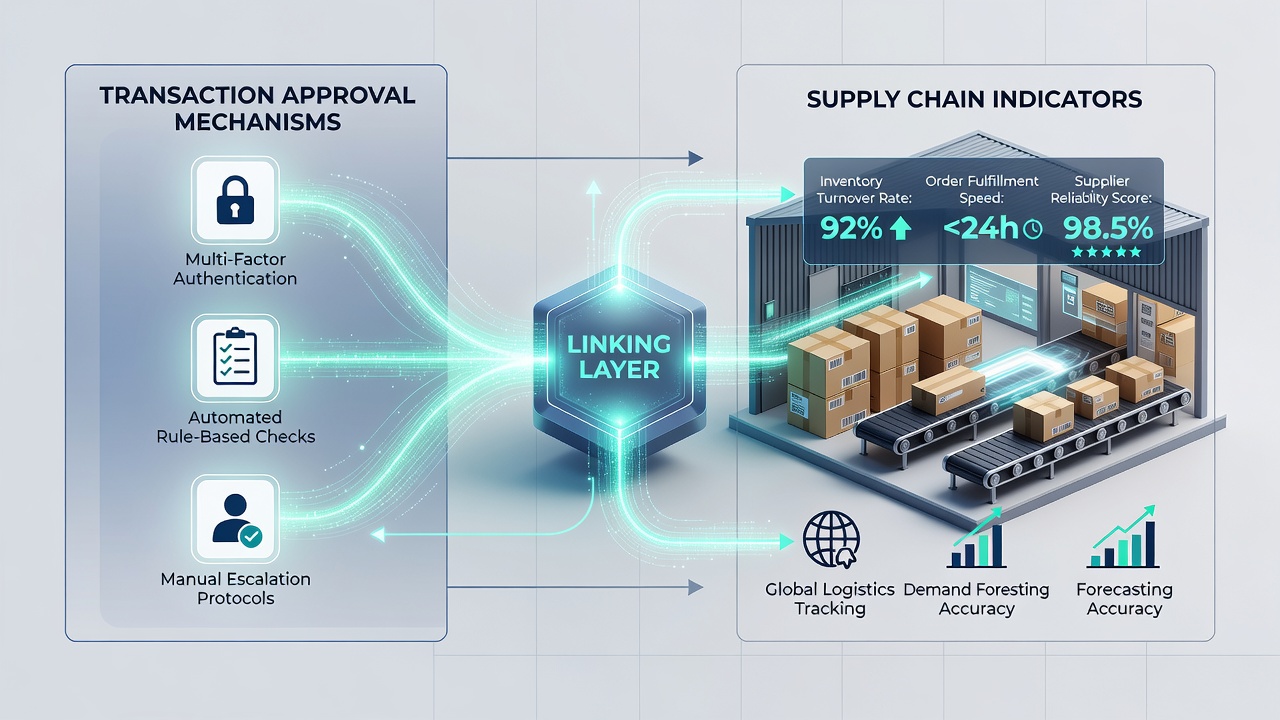
Small-batch producers integrate supply chain signals through middleware that translates warehouse events into standardized fields readable by payment gateways, and this translation allows approval logic to reference current fulfillment capacity without manual intervention. One platform handling rare botanical extracts adjusted its rules after linking purchase requests to batch production schedules, resulting in fewer authorizations for items still in processing stages. Observers tracking these setups note that the method works best when data latency stays under five minutes between systems.
Merchants in seasonal niches such as holiday ornament makers further refine the connection by tagging transactions with projected stock replenishment dates pulled from supplier portals. Payment providers then apply graduated approval criteria that tighten when replenishment windows extend beyond customer expectations. According to figures from the Australian Bureau of Statistics, e-commerce segments reliant on imported specialty components showed measurable shifts in transaction success rates once supply timelines entered approval workflows.
Technical Requirements and Data Flows
Secure API endpoints carry encrypted payloads containing stock counts, order backlogs, and carrier tracking identifiers straight into the authorization sequence, and these payloads undergo validation against merchant-specific thresholds before any decision occurs. Gateways configured for niche verticals often maintain separate rule sets that weight supply indicators differently than general retail models do. Data indicates that synchronization frequency directly affects accuracy, with hourly pulls outperforming daily batches in fast-moving categories.
Developers building these bridges typically map supply events to standardized transaction metadata fields, allowing downstream fraud tools to access context without separate queries. When a key supplier reports delays, the connected system can automatically route certain high-value orders through manual review queues rather than automatic declines. This preserves approval volume while protecting against downstream fulfillment failures that erode merchant reserves.
Observed Outcomes Across Niche Segments
Platforms focused on custom furniture components documented changes in average approval times after supply indicators entered the decision matrix, because the added context reduced false positives from velocity checks alone. Similar patterns emerged among sellers of limited-run skincare products when batch expiration data began informing authorization windows. Research from Statistics Canada on specialized online retail highlights parallel trends in sectors where product uniqueness increases both value and fulfillment complexity.
Reconciliation processes also benefit when approval records carry embedded supply metadata, since finance teams can trace declined transactions back to specific inventory events rather than treating them as isolated payment issues. This traceability supports more precise adjustments to future rule sets and helps merchants maintain stable relationships with processors over time.
Conclusion
Linking transaction approvals to supply chain indicators gives niche e-commerce operations a method for aligning financial decisions with physical realities, and ongoing refinements continue to shape how these systems evolve. The approach relies on timely data exchange, clear mapping of indicators to rules, and consistent monitoring of outcomes across different product categories. As more specialized retailers adopt the practice, the available datasets grow richer and support increasingly granular adjustments within approval pathways.