Token Vault Mechanics That Reshape Data Security Protocols Across Recurring Revenue Streams in Niche Digital Retail
Lars Schulz · Jun 5, 2026
Token Vault Mechanics That Reshape Data Security Protocols Across Recurring Revenue Streams in Niche Digital Retail
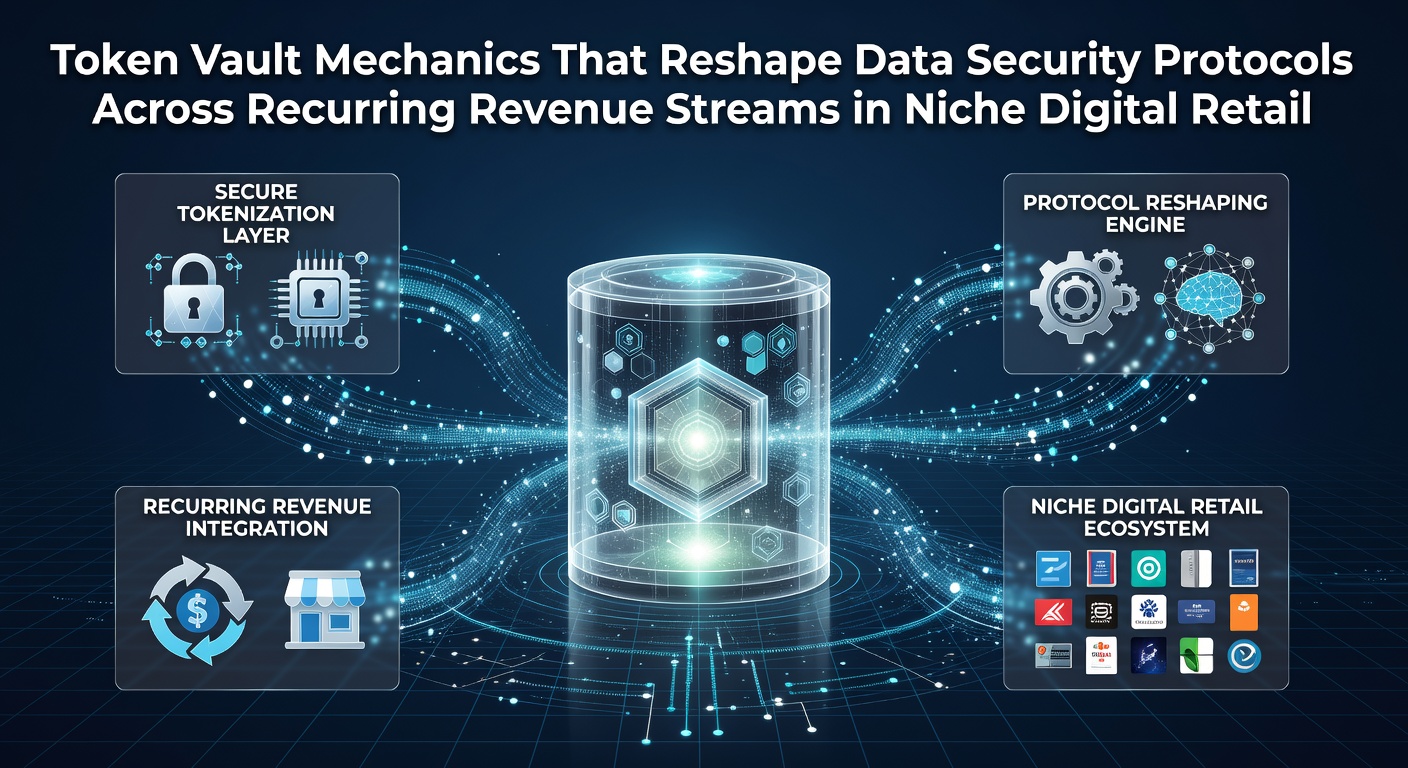
Token vaults function as centralized repositories that replace sensitive payment credentials with unique tokens while merchants process recurring transactions in specialized retail sectors such as subscription wellness products and curated hobby supply services. These systems store the original data in isolated environments and return only the tokens for authorization requests so that card details never enter merchant databases during repeated billing cycles.
Researchers at payment security institutions have documented how token vaults integrate with existing protocols to limit exposure points in high-frequency transaction environments. Data from implementations across multiple platforms shows that token generation occurs at the point of initial capture then subsequent charges rely solely on the vault-issued references which reduces the scope of data subject to potential breaches.
Mechanics of Token Generation and Retrieval
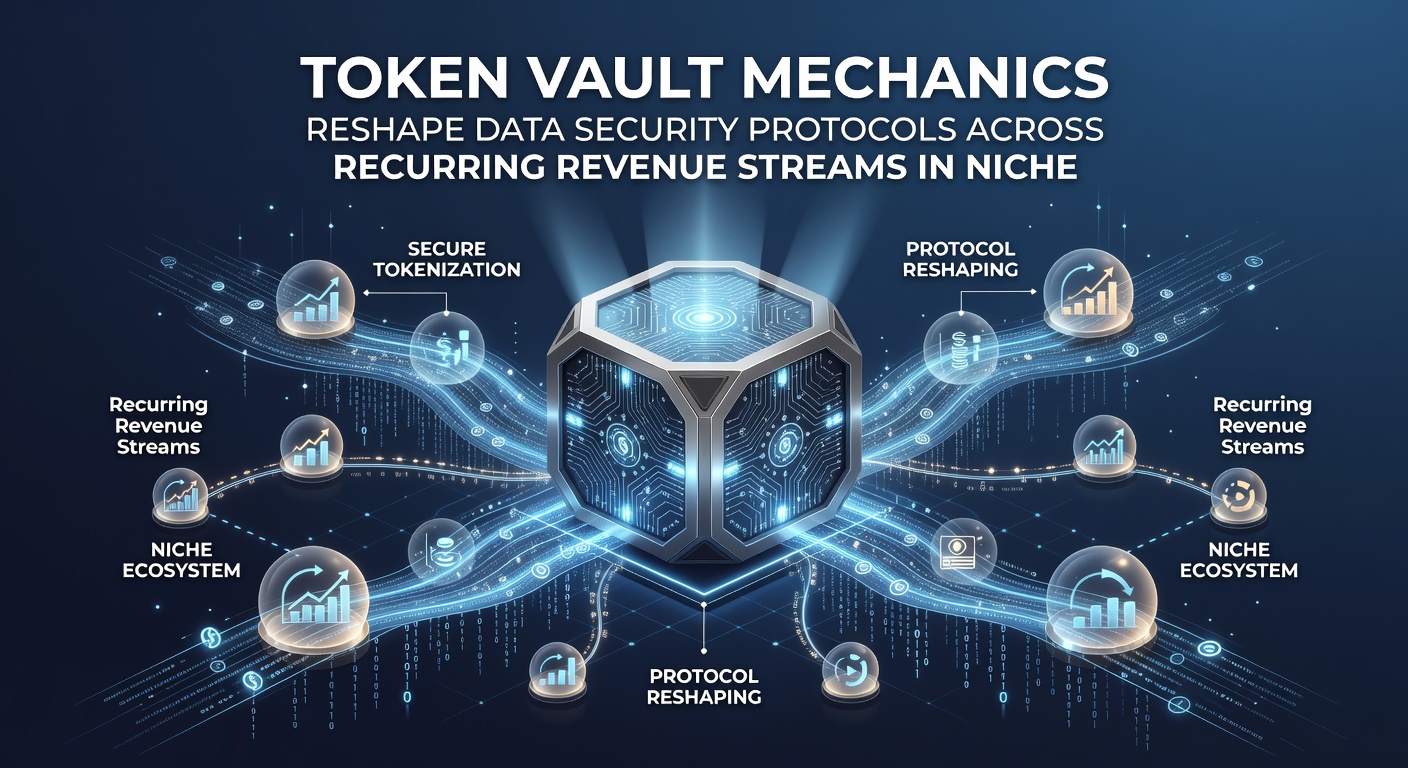
Token creation begins when a customer enters payment information during the first subscription signup and the vault assigns a non-reversible identifier tied to that specific merchant and use case. Retrieval happens through authenticated API calls that the vault validates before releasing authorization data to the processor while the original card number remains encrypted and segmented from operational systems.
Systems built around these vaults often employ dynamic token mapping that ties each identifier to parameters such as billing frequency and amount ranges so that attempts to reuse tokens outside approved patterns trigger automatic rejection. Observers note that this approach aligns with standards updated in early 2026 when several regional networks introduced enhanced validation requirements for recurring flows.
Impact on Data Security Protocols
Security frameworks in niche digital retail have shifted toward vault-centric models because traditional storage of full card details created persistent targets for unauthorized access. Token vaults enforce segmentation so that even if a merchant environment faces compromise the exposed tokens hold no standalone value without vault access credentials.
Studies from industry groups indicate that adoption of these mechanics correlates with measurable declines in the volume of stored primary account numbers across subscription platforms. European regulatory updates effective around June 2026 further encouraged this transition by tightening expectations around data minimization in recurring payment streams.
Integration with Recurring Revenue Models
Niche retailers managing subscription-based income depend on uninterrupted authorization sequences and token vaults support this continuity by allowing seamless updates to payment methods without re-entering full credentials. When a customer changes cards the vault issues a new token linked to the same subscription record so billing resumes without service interruption.
Payment networks report that platforms using vault mechanics experience fewer declines during renewal attempts because the system can route requests with pre-validated token references. This pattern holds across sectors where customers expect consistent delivery of specialized goods such as monthly craft kits or targeted software access.
Compliance and Operational Considerations
Merchants operating under frameworks such as those outlined by the PCI Security Standards Council find that token vaults narrow the compliance boundary by removing cardholder data from their direct control. Audit processes then focus on the vault provider's controls rather than every merchant endpoint handling recurring charges.
Additional guidance from bodies including the European Banking Authority emphasizes secure key management within vaults to prevent token collision or unauthorized mapping. These requirements have prompted providers to implement multi-region replication with strict access logging that tracks every retrieval event.
Future Trajectory in Niche Retail
Developments scheduled for rollout after June 2026 include expanded support for network tokens that operate independently of merchant-specific vaults yet still feed into the same security architecture. Such hybrid models allow smaller retailers to leverage global card schemes while maintaining localized control over recurring authorization logic.
Conclusion
Token vault implementations continue to redefine how recurring revenue streams handle sensitive information in specialized digital retail environments. The combination of isolated storage, parameterized mapping, and protocol alignment delivers measurable reductions in data exposure while supporting uninterrupted billing cycles across diverse product categories.