Tracing Reconciliation Patterns Between Sales Records and Bank Deposits in Artisan Online Marketplaces
Logan Frank · Jun 9, 2026
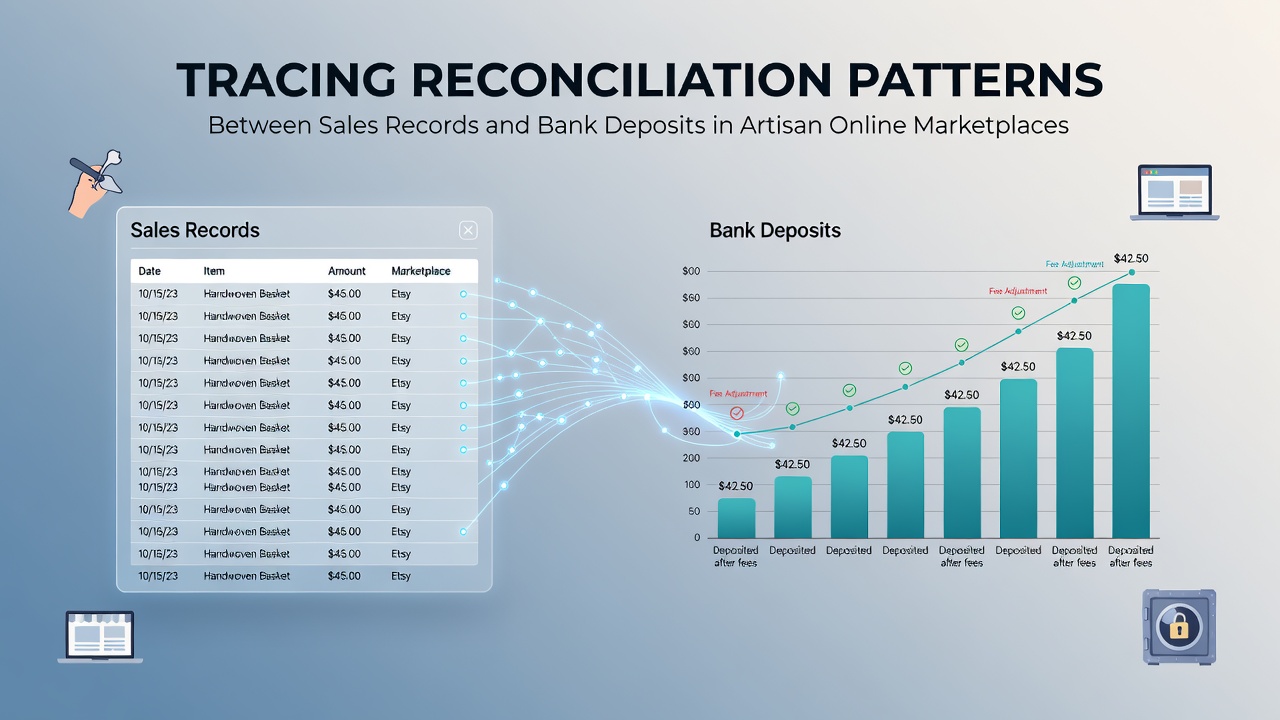
Tracing Reconciliation Patterns Between Sales Records and Bank Deposits in Artisan Online Marketplaces
Artisan online marketplaces connect craftspeople with buyers across regions, yet matching daily transaction logs against incoming bank deposits requires careful tracking of fees, processing delays, and adjustments. Observers note that reconciliation processes often reveal consistent timing gaps where platform commissions and payment processor charges reduce the final amounts that reach merchant accounts, sometimes days after the original sale completes. Researchers at several universities have examined these flows in handmade goods platforms, finding that deposit patterns typically lag sales records by two to five business days depending on the payment rail selected. Data from multi-platform studies shows that weekly batch deposits create clustered reconciliation events, during which merchants cross-reference itemized reports against actual bank entries to isolate variances caused by refunds or currency conversions.Identifying Standard Timing and Fee Patterns
Those who manage artisan storefronts frequently observe that sales recorded on Monday appear as deposits the following Thursday or Friday once standard processing cycles conclude. Platform fees, which range from fixed percentages plus per-transaction amounts, deduct automatically before funds leave the marketplace account, producing predictable shortfalls that reconciliation software flags automatically.
Payment processors apply additional layers such as interchange rates that vary by card type and region, and these differences surface most clearly when comparing gross sales totals to net bank credits. Experts have documented cases where international transactions introduce further deductions for foreign exchange margins, requiring merchants to align both the original sale currency and the converted deposit value during monthly reviews.
Tools That Support Accurate Matching
Specialized reconciliation applications connect directly to marketplace APIs and banking feeds, pulling sales data alongside deposit notifications into unified ledgers. These systems apply rule-based matching that accounts for known fee schedules, and they highlight unmatched items for manual review when chargebacks or partial refunds disrupt expected totals.
Integration between accounting platforms and marketplace reporting dashboards reduces the manual effort involved in tracing each line item, while audit trails record every adjustment made during the process. Data indicates that businesses using automated matching achieve higher accuracy rates when handling hundreds of daily transactions across multiple artisan categories.
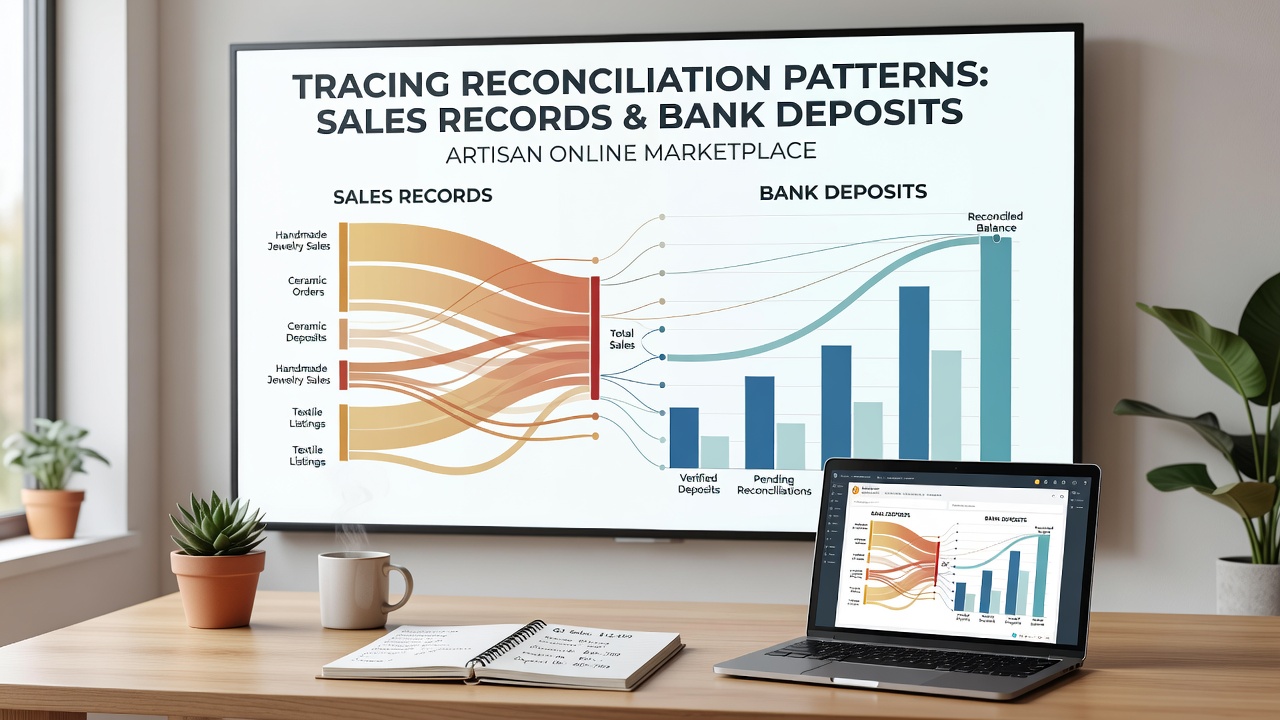
Common Sources of Discrepancies in Artisan Sales
Refunds processed after initial settlement create negative entries that offset later deposits, and merchants must trace these back through both sales records and bank statements to maintain balanced books. Shipping label refunds and promotional credits issued by the marketplace also appear as separate adjustments that do not correspond directly to individual customer purchases.
Seasonal spikes in sales volume during holiday periods often coincide with slower bank processing windows, and figures reveal temporary increases in unmatched items until all batches clear. Observers note that high-volume categories such as jewelry and ceramics generate more frequent variances because of higher average order values and increased likelihood of returns.
Regulatory Context and Reporting Requirements
According to guidance issued by the Canada Revenue Agency, accurate reconciliation supports proper sales tax reporting for cross-border artisan sales. European Commission documentation on digital platform transparency similarly emphasizes the need for clear transaction trails that merchants can verify against bank records.
In June 2026 several marketplaces introduced enhanced reporting exports that include detailed fee breakdowns at the transaction level, allowing faster identification of patterns previously buried in aggregated statements. These updates align with broader industry shifts toward granular data sharing between platforms and financial institutions.
Practical Reconciliation Workflows Observed in Practice
Merchants typically begin each reconciliation cycle by exporting sales reports filtered by settlement date, then compare those figures against bank deposit batches received during the same window. Discrepancies trigger review of individual orders to confirm whether fees, taxes, or adjustments explain the difference before final ledger entries are made.
Teams handling multiple storefronts often maintain separate reconciliation logs per platform to isolate issues that arise from differing payout schedules or fee structures. This segmented approach helps surface recurring problems such as delayed international payouts or unexpected reserve holds applied during periods of elevated dispute activity.
Conclusion
Tracing reconciliation patterns between sales records and bank deposits remains a core operational task for participants in artisan online marketplaces. Consistent application of matching procedures combined with automated tools reduces errors and supports compliance with tax and reporting obligations across regions. As platforms continue to refine data export capabilities, the precision of these processes continues to improve for merchants who maintain structured review routines.