Tracing Settlement Latency Ripples Across Inventory Replenishment Cycles for Pop-Up Retail Networks
Lars Schulz · Jun 30, 2026
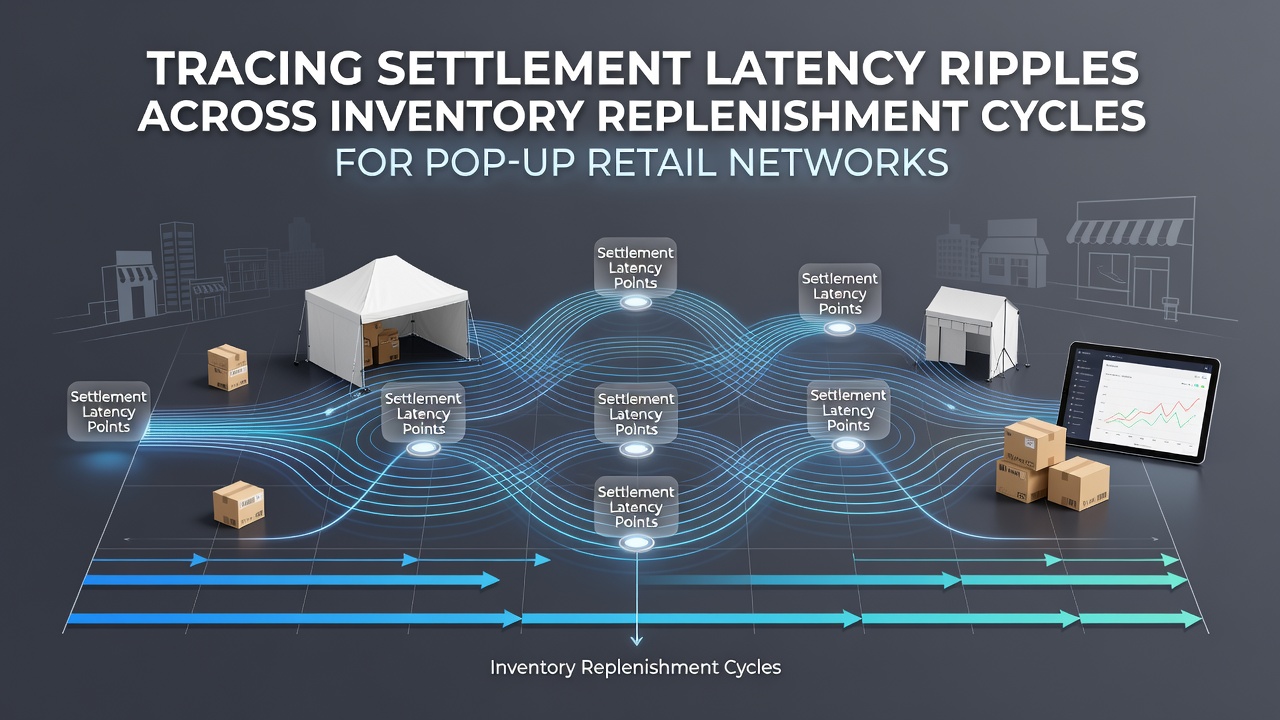
Tracing Settlement Latency Ripples Across Inventory Replenishment Cycles for Pop-Up Retail Networks
Pop-up retail networks operate on compressed timelines where each sales window lasts days or weeks rather than months, and settlement latency introduces measurable delays between transaction authorization and funds availability that directly affect restocking decisions. Observers note that these networks often rely on mobile terminals and temporary merchant accounts, which route payments through processors whose batching and clearing schedules determine when cash reaches operating accounts.
Settlement Latency Basics in Temporary Retail
Settlement latency refers to the interval between a card transaction receiving approval and the merchant receiving cleared funds in a bank account, a process shaped by acquirer cut-off times, network batching rules, and intermediary bank processing. In June 2026, data compiled by the Federal Reserve Bank of New York showed average settlement windows for small merchants ranged from one to three business days depending on processor agreements and transaction volume thresholds. Pop-up operators frequently encounter the longer end of that range because their accounts lack established volume histories that qualify for same-day funding programs.
Those who manage multiple pop-up locations across cities report that staggered terminal batches create uneven cash inflows, forcing inventory teams to prioritize replenishment for sites that clear first while others wait. This sequencing effect becomes visible in supply chain logs where stock arrives at some venues within forty-eight hours of a sales spike and lags at others by an additional day or more.
Inventory Replenishment Cycles Under Time Pressure
Pop-up networks typically forecast demand using real-time point-of-sale feeds and reorder from centralized warehouses or local suppliers on twenty-four to seventy-two hour cycles. When settlement latency stretches beyond the reorder window, buyers must either draw on reserves or delay orders until funds post, which can lead to stockouts during peak foot traffic periods. Researchers at the University of Melbourne documented similar patterns in Australian pop-up clusters during 2025 holiday activations, noting that a single extra day of latency correlated with measurable reductions in fill rates for high-turnover categories such as apparel and accessories.
Replenishment software used by these networks often includes rules that pause automated purchase orders until a minimum available balance threshold is met, effectively embedding settlement timing into the decision logic. Adjustments to those thresholds require manual overrides that add operational overhead and introduce the possibility of human error during high-velocity periods.
Observed Ripple Patterns Across Network Nodes
Ripples appear when latency at one location influences allocation decisions for the entire network because centralized inventory teams allocate scarce units based on projected cash availability rather than pure sales velocity. A terminal batch that clears late on a Friday may push replenishment for that site into the following Monday, while neighboring locations with earlier settlement continue receiving stock over the weekend. Industry reports from the Retail Council of Canada indicate that such staggered inflows prompted some operators to adopt hybrid models that mix local supplier pickups with warehouse shipments to smooth gaps.
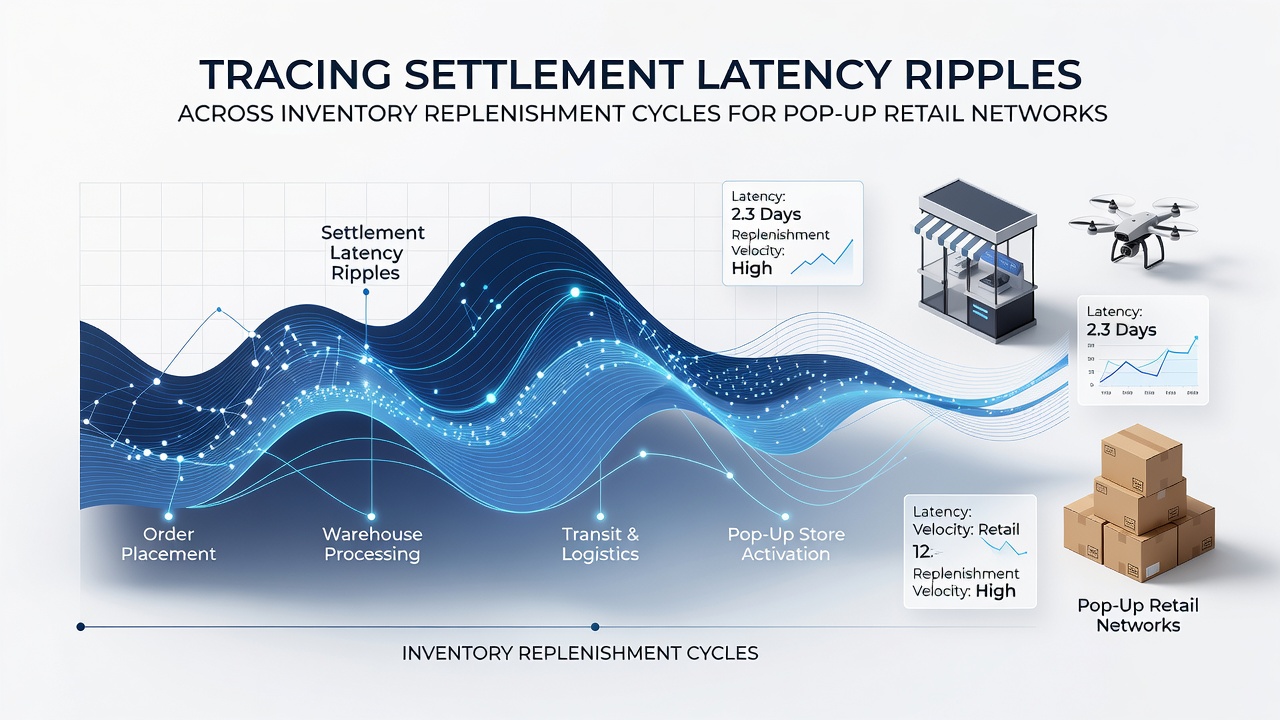
Those patterns intensify during seasonal surges when demand forecasting models already operate near capacity limits, and any delay compounds the mismatch between projected and actual stock levels. Payment processors have responded by offering accelerated funding tiers tied to reserve requirements or higher processing fees, options that network managers evaluate against the cost of lost sales from understocked locations.
Data Points from Mid-2026 Observations
Figures released in June 2026 by the European Central Bank highlighted that smaller merchants, including those operating temporary retail formats, experienced settlement variability tied to cross-border card mix and weekend transaction clustering. Networks that concentrated weekend volume saw funds post later in the week compared with those whose sales spread evenly, creating predictable but uneven replenishment schedules across sites. Academic analyses from the same period examined how these timing differences influenced supplier relationships, particularly when pop-up operators negotiated shorter payment terms with local vendors to offset processor delays.
Coordination across multiple terminals and locations therefore requires visibility into expected settlement dates rather than relying solely on posted balances. Some networks integrate processor APIs that surface projected funding dates into their inventory platforms, allowing planners to align purchase orders with anticipated cash movements and reduce the frequency of manual interventions.
Conclusion
Settlement latency propagates through pop-up retail networks by altering the timing of available funds, which in turn shifts reorder priorities and can produce uneven inventory distribution across locations. Data from regulatory and academic sources in 2026 illustrates consistent correlations between funding windows and replenishment outcomes, underscoring how payment processing schedules intersect with short-cycle retail logistics. Network operators continue to refine forecasting models and funding arrangements to align cash availability more closely with demand signals generated at each temporary site.